
As pet owners, we all want the best for our furry friends. Recently, there has been a growing trend towards foods that emphasize whole ingredients. This shift is not just a fad; it plays a significant role in your dog’s overall health and vitality.
Many people often look for labels that claim “all-natural” or “whole ingredients.” However, these terms do not always guarantee superior nutrition. Understanding the difference between whole and processed components can genuinely impact your dog’s energy levels, digestion, and long-term health.
This guide aims to clarify what whole ingredients really mean and how they influence your dog’s diet. We will also explore the science behind digestibility, AAFCO nutritional standards, and the marketing tactics surrounding pet food claims. By choosing foods that combine recognizable ingredients and minimal processing, you can significantly support your dog’s health.
Join us on this informative journey as we uncover how to build a nutrient-rich bowl tailored to your dog’s unique needs and life stage. By the end, you’ll be empowered to make choices that can transform your dog’s quality of life.
Key Takeaways
- Choosing whole ingredient foods can improve your dog’s health.
- Not all labels guarantee better nutrition; knowledge is key.
- Understanding the impact of ingredients on digestion is crucial.
- This guide will clarify terms and help you make informed choices.
- Explore how AAFCO standards affect pet food quality.
What Are Whole Ingredients and Processed Components?
Our pets deserve nutritious meals that truly support their well-being. When we talk about dog food, the terms “whole ingredients” and “processed components” come up frequently. It’s important to know what these terms mean and how they affect your dog’s diet.
Defining Whole Ingredients in Dog Foods
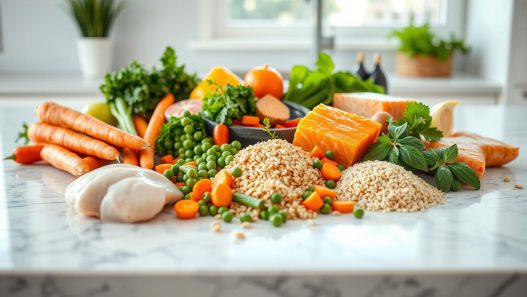
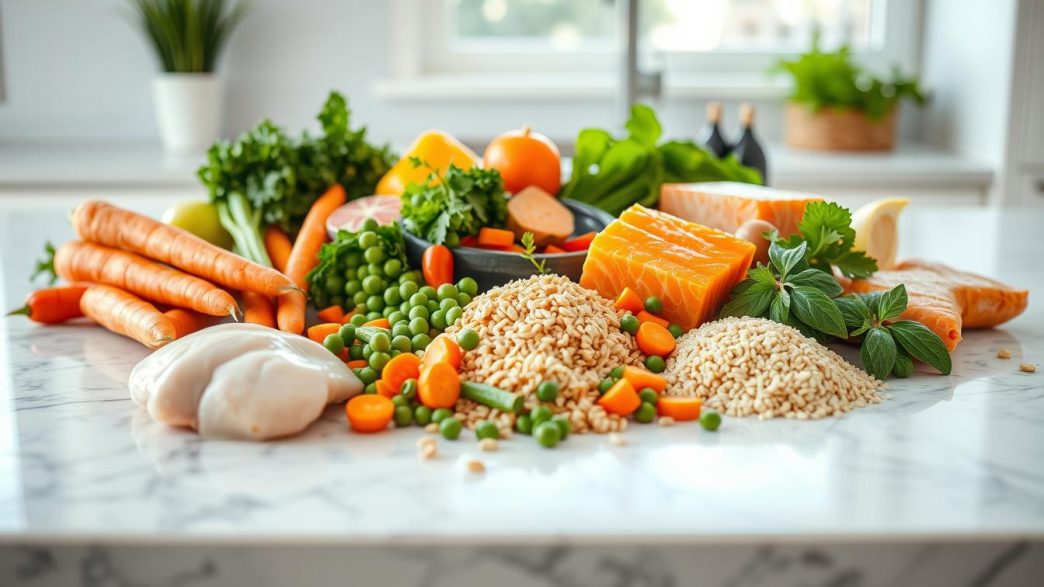
Whole ingredients refer to recognizable, unrefined components. Examples include whole chicken, blueberries, sweet potatoes, and brown rice. These are not fractions or byproducts of food sources. For instance, whole chicken means using the entire muscle meat, skin, and bone as a complete food source. In contrast, “chicken meal” is rendered and concentrated, which changes how your dog’s body processes these foods.
Common Processed Components and Their Characteristics
Processed components can include rendered meals, refined grains, and isolated protein fractions. These ingredients undergo multiple refining steps, which can affect their nutritional value. Often, ultra-processed pet foods utilize high heat and synthetic additives to replace lost nutrients. This is a crucial point for pet owners to consider when choosing the right food.
How Processing Methods Affect Ingredient Quality
It’s essential to differentiate between “minimally processed” and “whole ingredients.” Minimally processed refers to how ingredients are handled during manufacturing, while whole ingredients refer to the actual components. Freeze-drying is a great example of minimal processing. It helps preserve the nutritional profile of whole ingredients without cooking away vital enzymes and nutrients.
Here are some common whole ingredients found in premium dog foods:
| Type | Examples |
|---|---|
| Whole Proteins | Chicken, Beef, Turkey, Salmon, Lamb |
| Whole Vegetables | Sweet Potatoes, Peas, Carrots, Spinach |
| Whole Fruits | Blueberries, Cranberries, Apples |
| Whole Grains or Alternatives | Brown Rice, Oats, Chickpeas |
It’s important to read the full ingredient panel. A bag may feature images of fresh vegetables and lean meat on the front, but the ingredient list might tell a different story. Understanding processed ingredients helps dog owners make informed choices about canine nutrition and the nutritional value of different foods.
No single label term tells the whole story. Evaluating both ingredient sourcing and processing methods gives a fuller picture of what your dog is truly eating.
Understanding Whole vs Processed Ingredients for Dogs
Providing your dog with optimal nutrition is essential for their overall well-being. The choice between whole and processed components can significantly impact your pet’s health. A growing movement towards biologically appropriate diets emphasizes the benefits of minimally processed foods over ultra-processed options.
Typical Whole Proteins, Vegetables, Fruits, and Grains
Quality dog foods often include:
- Whole Proteins: Chicken, beef, turkey, salmon, and lamb provide essential amino acids in their natural form.
- Whole Vegetables: Sweet potatoes, peas, carrots, and spinach contribute fiber, vitamins, and minerals without unnecessary processing.
- Whole Fruits: Blueberries, cranberries, and apples (without seeds) offer antioxidants and phytonutrients beneficial for your dog’s health.
- Whole Grains or Alternatives: Brown rice, oats, and chickpeas serve as digestible carbohydrate sources in whole food diets.
The Role of Minimal Processing vs. Ultra-Processed Foods
Ultra-processed dog foods, like traditional kibble, emerged during WWII meat rationing. Initially celebrated for convenience, these foods often contain low-quality ingredients. The heavy processing involved, such as extrusion, reduces nutritional value and introduces artificial additives, preservatives, and fillers. This can challenge your dog’s digestive system.
In contrast, minimally processed foods preserve the nutritional integrity of whole ingredients. This approach supports better health and nutrition for dogs. Research continues to highlight the negative impacts of ultra-processed diets, reinforcing the shift towards whole food-based options.
Ultimately, understanding the differences between ingredient quality and processing methods is crucial for optimal nutrition. Choosing minimally processed, whole food options gives dogs the best chance to thrive on a diet that mirrors their natural dietary patterns.
Digestive Health Benefits of Whole Ingredient Diets
Your furry companion’s health greatly benefits from a diet rich in whole foods. One of the clearest advantages of these diets is improved digestibility. Digestibility refers to how efficiently your dog’s body can absorb nutrients from food. A highly digestible food means less waste, better nutrient uptake, and often noticeably firmer, smaller stools.
Research consistently supports this connection. Fresh dog foods tend to be more digestible than dry or canned options, leading to real benefits for gut health and stool quality. Studies show that proteins in homemade diets are better digested than those in dry food—approximately 90% versus 80%. This difference leads to better nutrient absorption, more energy, and a strengthened immune system.
High digestibility in fresh food also results in smaller, better-formed stools, indicating optimal nutrient absorption. A healthy gut does far more than process food efficiently. The gut microbiome, the community of bacteria living in your dog’s digestive tract, influences immune function, mood, skin health, coat quality, and even joint inflammation.
Gut-health-focused diets show improved digestibility coefficients and better energy availability. This means a dog actually uses more of what they eat. Here’s a comparison of estimated digestibility across food types:
| Food Type | Estimated Digestibility |
|---|---|
| Freeze-Dried Whole Ingredient | 85-95% |
| Fresh/Refrigerated Whole Ingredient | 80-90% |
| Traditional Dry Kibble | 60-75% |
| Canned Wet Food | 70-80% |
Foods built from recognizable, minimally processed whole ingredients tend to support better digestion and overall health for adult dogs. If you’re considering transitioning your dog to a whole ingredient diet, do so gradually over 7 to 10 days. Mix increasing amounts of the new food with the old to allow your dog’s gut bacteria time to adjust and prevent loose stools.
The benefits of whole ingredient diets extend beyond digestion. They include improved energy levels, better skin and coat condition, and long-term vitality. Supporting gut health with high-quality, whole food nutrition is one of the most direct investments a pet owner can make in their dog’s overall well-being.
Nutritional Completeness: Why Whole Ingredients Alone Aren’t Enough
To ensure your canine thrives, it’s crucial to focus on their nutritional needs. A food can be packed with beautiful, recognizable components and still fall short of providing everything a dog requires to flourish. Nutritional completeness is a separate requirement from ingredient quality, and it’s regulated independently.
In the United States, the Association of American Feed Control Officials (AAFCO) sets the nutritional standards that commercially sold dog foods must meet to be labeled as “complete and balanced.” These standards define minimum and sometimes maximum levels of protein, fat, vitamins, and minerals based on a dog’s life stage.
For example, a food meeting AAFCO guidelines for adult maintenance must hit specific targets for calcium, phosphorus, vitamin D, and dozens of other nutrients. Remember, whole ingredients are not automatically “better” if the overall diet is not nutritionally adequate. AAFCO’s completeness is a separate requirement that pet owners must verify.
Here are some common nutrient gaps in homemade or unformulated diets:
- Zinc: Essential for immune function and skin health.
- Vitamin E: Important for cellular health and antioxidant protection.
- Omega-3 Fatty Acids: Beneficial for skin, coat, and heart health.
Homemade diets built from whole, fresh foods are among the most likely to miss nutritional targets. Most owners lack access to veterinary nutritionist guidance, making it challenging to ensure a balanced diet.
When reading labels, look for the AAFCO nutritional adequacy statement. It should say something like “complete and balanced for adult maintenance” or “all life stages.” Check whether the statement is based on formulation or feeding trials, with feeding trials being the gold standard.
Additionally, cross-reference the ingredient list with the guaranteed analysis panel. This will help confirm that protein, fat, and fiber levels align with your dog’s needs. While researching pet food online, some owners encounter a page blocked extension or are advised to try disabling extensions to access nutritional information. Reliable brands, however, provide transparent label details directly.
In conclusion, supporting a dog’s lifelong health means choosing foods that combine ingredient quality with verified nutritional adequacy. If you’re unsure about a specific food’s completeness, consulting a vet is always a wise choice.
When Whole Ingredients May Not Be Best: Exceptions and Special Needs
Every dog has unique dietary needs that can vary based on health and lifestyle. While many dogs thrive on high-quality food, some may require special diets tailored to their specific conditions. Understanding these exceptions is crucial for every pet owner.
Health Conditions Requiring Specialized Diets
Some dogs face health challenges that necessitate specialized nutrition. For instance:
- Kidney Disease: Dogs with this condition often need strict management of protein and phosphorus levels.
- Pancreatitis: Dogs suffering from this issue may not tolerate high-fat foods, making rich whole ingredient formulas unsuitable during flare-ups.
- Food Allergies: Some dogs may react to common allergens like chicken or beef found in many whole ingredient foods, necessitating limited-ingredient diets with novel proteins.
Breed-Specific and Life Stage Considerations
Dietary needs can also vary by breed and life stage. For example:
- Large Breed Puppies: These dogs require specific calcium-to-phosphorus ratios to support healthy bone development.
- Different Life Stages: Puppies, adult dogs, and senior dogs have varying nutritional needs that may require adjustments to their diets.
Consulting Your Veterinarian Before Diet Changes
Before making any changes to your dog’s diet, it’s essential to consult with a veterinarian. A quick check of current bloodwork and health history can confirm whether a whole ingredient diet is appropriate. This step is especially important for dogs on prescription veterinary therapeutic diets, which should not be swapped without professional guidance.
Additionally, some owners researching specialized diets online may encounter a page blocked or blocked extension message. In such cases, reliable veterinary advice should always be the primary source for dietary decisions.
Ultimately, understanding why whole ingredients matter for a dog’s life and long-term health means accepting that “whole” is not a one-size-fits-all answer. Context always matters, and working with a vet ensures that diet choices support your dog’s overall health condition and unique needs.
The Marketing vs. Reality of Whole Ingredients in Dog Food
Navigating the world of dog food can be challenging, especially with the myriad of marketing claims. Many pet owners find themselves overwhelmed by terms like “all-natural” and “whole ingredients.” However, it’s essential to understand what these labels truly mean.
Common Label Claims and What They Really Mean
Brands often use appealing terms to attract health-conscious owners. Here are some common claims and their implications:
- All-Natural: This term can be misleading. It doesn’t guarantee the absence of additives or processed ingredients.
- Whole Ingredients: While it sounds beneficial, this phrase has become a marketing tool rather than a factual claim.
- Grain-Free: This may seem healthy, but not all grains are harmful. Some dogs thrive on whole grains.
Why Human Food Logic Doesn’t Always Apply to Dogs
It’s crucial to recognize that the ultra-processed food framework that transformed human diets doesn’t translate directly to canine nutrition. Dogs have unique digestive systems, caloric needs, and nutrient utilization. A dog eating food that scores poorly by human standards might still thrive, while a dog on a pristine whole ingredient diet could develop deficiencies.
Integrating Whole Ingredients with Minimal Processing and Nutrition Completeness
The intersection of whole ingredients, minimal processing, and verified nutritional completeness is where real results live. Here’s how to ensure your dog’s diet is optimal:
- Look beyond the front of the bag; check the guaranteed analysis and AAFCO statement.
- Ensure the food meets nutritional standards tailored to your dog’s needs.
- When researching brands online, some owners may encounter a page blocked extension or need to try disabling extensions to access full ingredient panels.
Transparent companies make this information readily available, helping you make informed choices for your pet’s health.
Premium Freeze-Dried and Minimally Processed Whole Food Options
Choosing the right food for your pet can make a significant difference in their health. Premium freeze-dried and minimally processed options are gaining popularity among pet owners. These foods offer a convenient way to provide high-quality nutrition while retaining essential nutrients.
Benefits of Freeze-Drying for Nutrient Retention
Freeze-drying is a method that preserves the nutritional integrity of raw ingredients. This minimal processing technique keeps vital enzymes, vitamins, and minerals intact. As a result, your dog can enjoy a diet that supports their overall health and vitality.
Moreover, freeze-drying locks in freshness without needing artificial preservatives or refrigeration. This makes it easier for pet owners to provide a wholesome diet that enhances their dog’s well-being.
Examples of Quality Whole Ingredient Brands
Several brands stand out in the realm of premium dog foods:
- Loyal Saints: This brand uses human-grade, whole ingredients that are freeze-dried to meet AAFCO standards for complete and balanced nutrition.
- Little Hunter: Known for its commitment to quality, this brand offers human-grade meats complemented with organic fruits and vegetables using natural freeze-drying methods.
- Dog Chef: This brand employs gentle cooking methods to better preserve nutrient quality, resulting in less degradation of heat-sensitive nutrients like vitamin B.
Choosing the Right Formula for Your Dog’s Needs
When selecting a formula, consider your dog’s age, breed size, activity level, and any specific health concerns. Premium freeze-dried and minimally processed foods can support better nutrient absorption. This leads to improved coat condition, skin health, and overall energy levels.
These diets provide high-quality proteins and essential nutrients in forms that are highly bioavailable, contributing to a healthier dog life. As you explore options, remember to consult your veterinarian for personalized advice.
While browsing brand websites for your dog’s menu, some users may encounter a page blocked or blocked extension issue. Reputable companies ensure their nutritional information is accessible, helping you make informed choices.
In conclusion, choosing a premium freeze-dried or minimally processed whole food option gives dogs the best chance to thrive on a diet that combines ingredient quality with nutritional completeness.
Conclusion
Choosing the right food for our dogs is vital to their happiness and vitality. A diet rich in quality animal protein, fresh fruits, and vegetables can truly transform a dog’s life. The best results come from a combination of whole ingredients, minimal processing, and verified nutritional completeness.
Digestibility, gut health, and nutrient absorption all improve when dogs are fed high-quality, minimally processed foods. Pet owners should trust labels that demonstrate these three criteria to ensure their dogs receive optimal nutrition.
When in doubt about your dog’s diet or specific needs, especially regarding age or health conditions, always consult your veterinarian. Building a nutrient-rich bowl takes time and attention, but the benefits — better energy, improved coat, and overall vitality — are worth it.
Exploring a variety of menu options, from premium freeze-dried brands to fresh foods, empowers owners to make informed choices. Remember, every step toward better nutrition is an investment in a happier, healthier companion.