
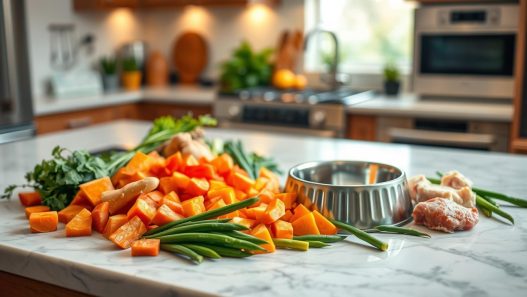
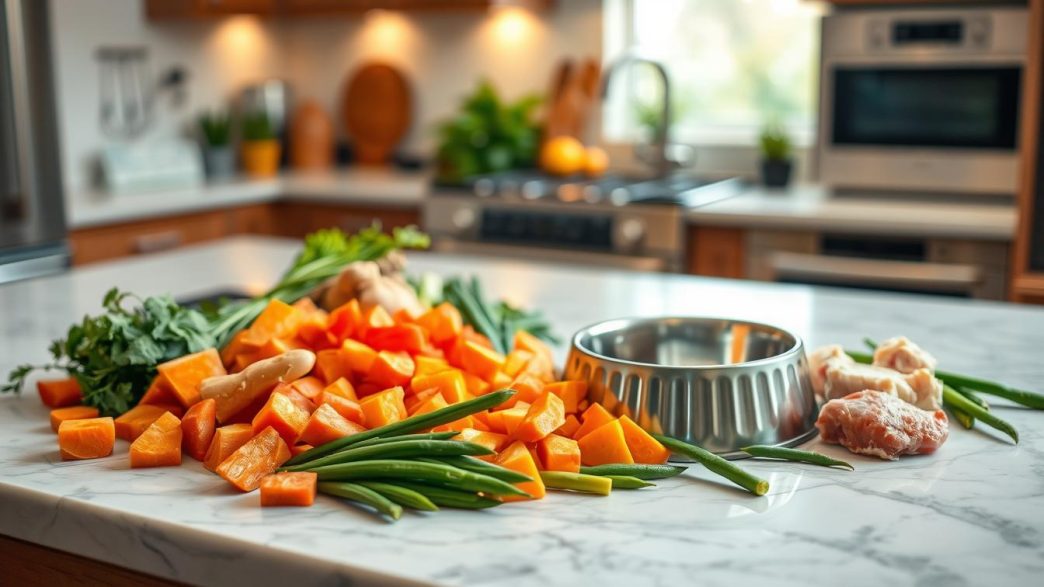
Welcome to the rewarding world of preparing nutritious meals for your furry friend. In this guide, you will learn how to take charge of what goes into your pet’s bowl every day. It’s not just about mixing ingredients; it’s about understanding their needs.
This comprehensive guide will help you navigate the benefits of home-cooked nutrition. You’ll also discover common pitfalls that can affect your pet’s health. Proper planning and expert advice are crucial for creating balanced meals.
Throughout this article, we will cover essential nutrients, safe food handling, and the importance of veterinary guidance. Whether you’re a first-time cook or looking to refine your approach, this friendly guide meets you where you are on your journey.
By the end, you will feel confident in crafting meals that support your pet’s energy and overall well-being. Let’s embark on this journey together!
Key Takeaways
- Understand the benefits of cooking for your pet.
- Learn about essential nutrients for a balanced diet.
- Discover safe food handling practices.
- Get tips for effective meal planning.
- Recognize the importance of veterinary advice.
Understanding the Benefits of Homemade Dog Meals
Uncovering the perks of cooking for our beloved pets can transform how we view their nutrition. One of the most significant advantages is the control it offers over the ingredients and quality of what goes into their bowls. Pet parents can handpick every ingredient, ensuring that their furry friends enjoy meals free from artificial preservatives and fillers.
When you prepare meals, you can choose sustainably sourced proteins, organic vegetables, and healthy oils. This not only aligns with your values but also caters to your dog’s specific taste preferences. The emotional benefit of this process is profound. Cooking for your pet can strengthen the bond you share, providing a sense of purpose and fulfillment.
“It’s very fulfilling to love and care for our pets through nutrition. It can give you a sense of control when other things feel out of your control.” – Dr. Julie Churchill, DVM, PhD, DACVIM (Nutrition)
Additionally, homemade meals typically contain more moisture than dry kibble. This is particularly beneficial for senior dogs whose thirst may decline with age or for those prone to urinary tract issues. The increased volume of moist food can also help with weight management, promoting a feeling of fullness.
For dogs with specific medical conditions, a carefully formulated diet can offer therapeutic advantages that commercial options may not provide. Dr. Valerie Parker highlights that a tailored diet can be essential for dogs with food allergies or sensitive stomachs.
| Benefit | Description |
|---|---|
| Control Over Ingredients | Choose quality ingredients, avoiding fillers and preservatives. |
| Emotional Connection | Cooking strengthens the bond between pet and owner. |
| Hydration | Moist meals support hydration in senior dogs. |
| Weight Management | Increased volume helps dogs feel full, aiding in weight control. |
| Medical Benefits | Custom diets can address specific health needs effectively. |
The ability to avoid common allergens and tailor meals to your dog’s unique dietary requirements is a significant advantage. This level of customization ensures that your pet’s nutritional needs are met with precision.
Recognizing and Avoiding Risks in Homemade Dog Food
Understanding the pitfalls of cooking for your canine companion is essential for their health. While preparing meals at home can be rewarding, it also comes with significant challenges. One of the most pressing issues is achieving a complete nutritional balance.
Challenges in Achieving Nutritional Balance
Dogs require nearly 40 essential nutrients daily. Even the most well-intentioned recipes can fall short. A landmark study from the University of California, Davis, found that 95% of home-cooked dog food recipes lacked at least one essential nutrient. Alarmingly, 84% were deficient in multiple key nutrients.
Nutritional deficiencies can lead to serious health issues. These may include poor coat quality, bone fractures, and immune system dysfunction. Unfortunately, it can take months or years for symptoms to appear. By that time, the damage may be irreversible.
Food Safety and Hygiene Practices
Food safety is another critical concern. Improper handling of raw meats can expose both your pet and your family to harmful bacteria. Pathogens like Salmonella, E. coli, and Listeria can pose serious health risks. Ensuring proper cooking and handling practices is vital.
Dr. Julie Churchill warns that even when starting with a balanced recipe, many pet parents fall into “recipe drift.” This means making small substitutions or eyeballing measurements, which can gradually throw off the nutritional balance over time. Research shows that fewer than 15% of owners stick to their original home-cooked diet plan after a year.
Unsuitability for Puppies Without Expert Guidance
Puppies are especially vulnerable due to their rapidly changing nutritional needs. Homemade diets can be unsuitable without ongoing supervision from a veterinary nutritionist. Dr. Churchill describes puppyhood as “the most nutritionally fragile time of life.” Incorrect calcium-to-phosphorus ratios can lead to lifelong skeletal and developmental problems.
Understanding these risks upfront empowers you to take the necessary precautions. Seek professional guidance and commit to consistency in your pet’s meal preparation journey.
Key Nutritional Components in Balanced Homemade Dog Meals
To create a well-rounded diet for your furry friend, it’s essential to know the key nutritional components that contribute to their health. Understanding these elements will help you provide balanced nutrition that meets your pet’s needs.
Animal-Based Proteins: Importance and Sources
Animal-based proteins are the cornerstone of any balanced diet. Dogs are carnivorous omnivores, meaning they require roughly twice the amount of protein compared to humans. This protein is vital for muscle development, immune function, and overall energy.
Dr. Julie Churchill emphasizes the importance of sticking with animal-based protein sources such as chicken, turkey, beef, eggs, and fish. These ingredients provide the essential amino acids that dogs need for optimal health.
Carbohydrates and Their Role in Energy Supply
While carbohydrates are not strictly essential for adult dogs, they serve as an excellent source of dietary energy. Whole grains like brown rice, oats, and quinoa can provide fiber and important vitamins.
In addition, fruits and vegetables, such as pumpkin, carrots, and leafy greens, add valuable micronutrients and fiber that support healthy digestion and overall vitality in your pet’s daily meals.
Essential Fats and Fatty Acids for Skin and Coat Health
Essential fatty acids play a crucial role in maintaining a glossy coat and healthy skin. Omega-6 linoleic acid, sourced from plant-based oils like corn, canola, and safflower oil, is particularly important.
Additionally, omega-3 fatty acids from cold-water fish oils provide anti-inflammatory benefits, helping dogs with itchy skin and joint discomfort. However, it’s important to avoid oils like olive or coconut oil, which do not meet the specific fatty acid requirements of dogs.
Vital Vitamins and Minerals to Prevent Deficiencies
Vitamins and minerals such as calcium, phosphorus, zinc, iodine, and selenium must be present in precise ratios. Imbalances can lead to serious health issues, including nutritional secondary hyperparathyroidism and orthopedic problems.
Generic dog supplements or human multivitamins are often insufficient or even dangerous. Therefore, working with a veterinarian to identify the right veterinary-formulated supplements is essential for preventing deficiencies.
Essential Ingredients and What to Avoid in Homemade Dog Food
The foundation of nourishing your pet lies in understanding the essential ingredients and potential hazards. Knowing what to include in your recipes can lead to healthier, happier dogs. Here, we will explore safe ingredients and the toxic foods to exclude from your furry friend’s diet.
Safe and Recommended Ingredients
Building a safe homemade dog food pantry starts with lean animal proteins. Options like chicken, turkey, lean beef, lamb, and fish such as salmon and sardines deliver the high-quality protein your pet needs to thrive.
Digestible carbohydrates are also essential. Ingredients like brown rice, quinoa, sweet potatoes, barley, and oats provide steady energy and fiber. Additionally, colorful vegetables like carrots, green beans, peas, spinach, and pumpkin add essential vitamins and antioxidants.
Healthy fats from fish oil and flaxseed oil support skin and coat health. A reliable calcium source, such as a veterinarian-approved supplement or carefully prepared eggshell powder, is crucial for skeletal health.
Fruits like blueberries can be a wonderful treat packed with antioxidants. However, always remember that a calcium source is non-negotiable in every batch of homemade dog food you prepare.
Toxic and Unsafe Foods to Exclude
On the flip side, there is a critical list of toxic foods that must never find their way into your pet’s bowl. These include:
- Onions and garlic
- Grapes and raisins
- Chocolate
- Xylitol (a common sweetener)
- Macadamia nuts
- Avocado
Even small amounts of these foods can cause serious health issues, ranging from digestive distress to organ failure. Cooked bones are particularly hazardous because they can splinter and cause choking, internal punctures, or blockages that require emergency veterinary intervention.
Excessive salt and high-fat foods should also be avoided. These can contribute to pancreatitis, obesity, and other long-term health problems in dogs of all breeds and ages.
Keeping a printed list of safe and unsafe foods on your refrigerator can serve as a helpful daily reminder. This will help everyone in the household stay informed about what your pet can and cannot eat.
| Safe Ingredients | Toxic Foods to Avoid |
|---|---|
| Chicken | Onions |
| Turkey | Garlic |
| Brown Rice | Grapes |
| Sweet Potatoes | Raisins |
| Fish (Salmon, Sardines) | Chocolate |
| Carrots | Xylitol |
| Spinach | Macadamia Nuts |
| Blueberries | Avocado |
How to Build Balanced Homemade Dog Meals: Practical Guidelines for Homemade Dog Meal Building
To ensure your pet thrives, it’s essential to know how to construct balanced and nutritious meals. A successful approach begins with following veterinarian-approved recipes. These formulations are designed to meet all your dog’s nutritional requirements without guesswork.
Following Vet-Approved Recipes and Formulations
A properly balanced recipe typically combines a cooked animal protein source, a digestible carbohydrate like rice or sweet potato, a variety of cooked vegetables, and a measured amount of healthy fat such as fish oil. This ensures that your furry friend receives all the essential nutrients needed for optimal health.
Calcium and Supplementation Needs
Calcium supplementation is one of the most critical and often overlooked aspects of preparing food at home. Muscle meat alone does not provide nearly enough calcium for healthy bones and teeth. You can meet calcium needs through veterinarian-recommended options like crushed eggshells, canine-specific calcium powders, or professionally formulated supplements designed exclusively for dogs.
Additionally, a high-quality multivitamin or mineral supplement formulated for canines is usually necessary. This helps fill in the micronutrient gaps, ensuring your pet receives adequate zinc, iodine, selenium, and other trace minerals.
Portioning and Feeding Frequency Considerations
Portion control requires precision. Using a digital kitchen scale to weigh ingredients and final food portions is far more reliable than eyeballing or using measuring cups. A helpful starting guideline is to feed approximately 2-3% of your dog’s ideal body weight in total food per day. Adjust this based on activity level, age, and body condition score.
Dr. Julie Churchill has observed that many Americans resist using gram scales and prefer to eyeball portions. This habit can easily upset the delicate nutritional balance of a homemade diet over time. Feeding frequency should match your dog’s life stage and health status. Most adult dogs do well on two meals per day, while puppies and seniors may benefit from three or more smaller meals.
Regularly monitoring your dog’s weight, energy levels, and overall body condition allows you to make informed adjustments to portion sizes. This keeps your homemade dog meal preparation on track, ensuring your pet’s health and happiness.
Tailoring Homemade Dog Meals to Different Dog Profiles and Needs
Recognizing that each dog has distinct nutritional needs can greatly enhance their quality of life. Every canine is unique, and understanding how to adapt meals for various life stages and health conditions is crucial for their well-being.
Feeding growing puppies requires special attention. These young dogs have exceptionally high nutritional demands. Their diets must include precise ratios of protein, DHA, calcium, and phosphorus. Dr. Churchill emphasizes that only a board-certified veterinary nutritionist should formulate these recipes. Mistakes during this critical growth period can lead to lasting skeletal and developmental issues.
Feeding Growing Puppies and Senior Dogs
Senior dogs, on the other hand, benefit from meals that are lower in calories but rich in high-quality, easily digestible proteins. Ingredients like lean meats and omega-3 fatty acids from fish oil can support joint health. Additionally, glucosamine and chondroitin can be beneficial for older pets.
Special Diets for Allergies, Sensitive Stomachs, and Chronic Conditions
For dogs with allergies or sensitive stomachs, a limited-ingredient approach is often effective. Using a novel protein, such as duck or venison, paired with a single carbohydrate like quinoa or sweet potato can help identify and eliminate food triggers. Dogs with chronic conditions, such as diabetes, require carefully balanced meals focused on low-glycemic, high-fiber ingredients, including lean meats and vegetables like broccoli and green beans.
Breed-Specific Nutritional Adjustments
Breed-specific adjustments can also make a significant difference. High-energy breeds, like Jack Russells and Kelpies, need more calorie-dense meals to support their activity levels. Conversely, larger breeds, such as Golden Retrievers and Labradors, benefit from added joint-supporting nutrients due to their predisposition to hip dysplasia and other health issues.
Understanding your dog’s breed predispositions allows you to proactively include supportive ingredients in their meals. Regular check-ins with your veterinarian will ensure that as your dog ages or their health needs change, their diet can evolve accordingly for continued optimal nourishment.
Step-by-Step Meal Preparation and Storage Tips
Crafting balanced meals for your pet is essential for their health and happiness. Following proper cooking and storage practices ensures that your furry friend receives nutritious food without harmful bacteria. Here are some key techniques to keep in mind.
Cooking Techniques for Nutrient Preservation
Proper cooking techniques are essential for preserving the nutritional value of your pet’s food. It’s important to cook all ingredients thoroughly to eliminate harmful bacteria. Cooking proteins like chicken, beef, and fish to their safe internal temperatures is crucial. Steaming vegetables until they are tender but still vibrant helps retain the water-soluble vitamins that your dog needs.
Always cook ingredients separately before combining them. This allows you to control the texture and doneness of each component and prevents overcooking delicate vegetables.
Safe Storage Practices to Prevent Contamination
Once everything is cooked and cooled, mix the ingredients together and portion them into daily servings. Use airtight containers to protect the food from contamination and freezer burn. Safe storage practices are non-negotiable; homemade dog food should be refrigerated immediately and used within three to four days. For longer-term storage, freeze in individual portions.
Cross-contamination is a real risk, so always use separate cutting boards and utensils for raw meats. Wash your hands thoroughly before and after handling food ingredients to ensure safety.
Batch Cooking and Freezing Strategies
Batch cooking is a fantastic time-saving strategy. This allows you to prepare a week or even a month’s worth of balanced meals in one afternoon. Freeze them in labeled, dated containers for easy access later. For larger dogs, batch cooking can be challenging due to the sheer volume of food required. Investing in a dedicated chest freezer and large-capacity storage containers can make the process much more manageable.
A classic gentle meal of plain cooked chicken breast and white rice is a wonderful recipe to have in your back pocket for times when your pet has an upset stomach and needs something easy to digest. Remember to never add seasonings, salt, onions, garlic, or any other flavor enhancers to your dog’s food, as many common human cooking ingredients are toxic or harmful to canines.
Common Mistakes in Homemade Dog Food Preparation and How to Avoid Them
Many pet owners may unknowingly make mistakes when preparing food for their beloved companions. Understanding these common pitfalls can help ensure your furry friend receives the balanced nutrition they need.
One of the most prevalent mistakes is ingredient imbalance. Many well-meaning pet parents rely too heavily on a single protein source or skip essential supplements altogether. The research from UC Davis highlights that 95% of home-cooked recipes lack at least one essential nutrient, and 84% are missing multiple nutrients.
Ingredient Imbalance and Omissions
Omitting calcium supplements is a particularly serious error. Muscle meat alone cannot provide the necessary calcium-to-phosphorus ratio for healthy bones. This can lead to fractures and orthopedic problems over time. It’s crucial to include the right supplements to prevent these deficiencies.
Improper Portion Sizes and Feeding Habits
Improper portion sizes can sneak up on even the most dedicated dog owners. Overfeeding can contribute to obesity, while underfeeding may result in malnutrition. These issues might not be obvious until significant health problems arise.
Deviations from Vet-Approved Plans and Recipe Drift
Dr. Julie Churchill highlights a phenomenon known as “recipe drift.” This occurs when pet parents gradually make small substitutions, skip supplements, or change cooking methods. Such changes can undermine the careful balance of a vet-approved recipe.
Research indicates that fewer than 15% of owners stick to their original home-cooked diet plan after one year. This underscores how easily good intentions can drift off course without consistent vigilance.
Swapping one oil for another might seem harmless, but using oils like olive or coconut instead of recommended plant-based oils can create deficiencies in essential fatty acids. These deficiencies can negatively impact your pet’s skin, coat, and immune health.
To avoid these common mistakes, treat your vet-approved recipe as a precise formula. Follow it exactly every time, and schedule regular check-ins with your veterinary team to ensure everything stays on track.
| Common Mistakes | Consequences |
|---|---|
| Ingredient Imbalance | Missing essential nutrients can lead to health issues. |
| Omitting Supplements | Calcium deficiencies can cause bone problems. |
| Improper Portion Sizes | Overfeeding leads to obesity; underfeeding causes malnutrition. |
| Recipe Drift | Gradual changes can undermine nutritional balance. |
| Using Incorrect Oils | Can lead to deficiencies affecting skin and coat health. |
The Importance of Veterinary Guidance in Homemade Dog Meal Building
Understanding the role of veterinary guidance is crucial for crafting safe and nutritious meals for your pet. Both Dr. Julie Churchill and Dr. Valerie Parker emphasize the importance of consulting a board-certified veterinary nutritionist. Their expertise can help you navigate the complexities of creating balanced diets.
Dr. Churchill notes,
“In the old days, we rarely saw nutritional problems when the bulk of our dog population was eating a high-quality commercial diet. In this last year, I think we are up to our fifth case of nutritional problems as a result of homemade diets.”
Dr. Parker adds,
“It has been demonstrated that most recipes people will find online or in books do not provide complete and balanced nutrition. An exception is where people can get complete and balanced home-cooked diet recipes from companies that employ full-time veterinary nutritionists.”
Consulting Board-Certified Veterinary Nutritionists
Partnering with a board-certified veterinary nutritionist is the single most important step you can take to ensure your homemade dog meal efforts are safe, balanced, and truly beneficial for your canine companion. These professionals have the advanced training needed to assess your individual dog’s health status, lifestyle, and medical history.
Regular Health Monitoring and Diet Adjustments
Regular health monitoring through wellness exams, blood work, and body condition assessments allows your veterinary team to catch any developing deficiencies or imbalances before they become serious health problems. Consistency matters: follow the exact ingredients, measurements, supplements, and preparation methods provided.
Collaborative Planning for Special Health Conditions
For dogs with special health conditions such as kidney disease, diabetes, or food allergies, collaborative planning between you, your primary veterinarian, and a veterinary nutritionist creates a comprehensive care plan. This approach addresses all aspects of your dog’s well-being and ensures they receive the necessary nutrients.
While consultations with a board-certified veterinary nutritionist represent an additional investment, this cost pales in comparison to the expense and heartache of treating preventable nutritional diseases down the road. Your veterinary team is your most valuable resource and cheerleader on this homemade dog food journey.
Conclusion
Creating nourishing dishes for your pet is a heartfelt journey that reflects your love and commitment. This guide has explored the benefits of preparing balanced food at home, allowing you to choose fresh, wholesome ingredients. However, it’s crucial to remember that many online recipes may lack essential nutrients, potentially harming your furry friend.
The importance of professional guidance cannot be overstated. A veterinary nutritionist can help ensure your recipes meet your pet’s unique needs. Consistency in following vet-approved recipes is vital for maintaining a healthy diet.
Whether you are cooking for a sprightly senior or a dog with special dietary needs, knowledge and preparation are key. By investing time in creating balanced meals, you give your pet the gift of vibrant health and happiness.
Take the next step by consulting your veterinarian or a board-certified veterinary nutritionist. Begin your journey of crafting nourishing meals with confidence and joy!