
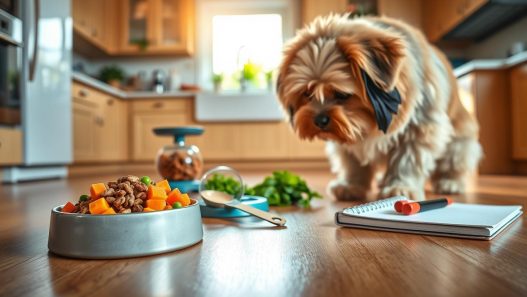

Understanding how much to feed your furry friend can feel overwhelming. With so much conflicting advice available, it’s easy to feel lost. This guide aims to help you measure the right meal size for your unique pet, eliminating guesswork and stress.
There’s no one-size-fits-all answer to how much food to provide. Portion needs vary based on factors like age, size, activity level, and overall health. Did you know that 59% of dogs are overweight or obese? This alarming statistic highlights the importance of proper portioning as a vital act of love and prevention.
Feeding the right amount of high-quality food is one of the simplest ways to promote your pet’s health. Most dogs will consume about 2-4% of their body weight in food daily, though exact needs can differ. This article will cover essential topics, including how to read feeding charts, meal frequency, and responsible treat use.
As you embark on this journey, remember that learning at your own pace is perfectly fine. Consistent, mindful portioning can help your pet maintain a healthy weight, steady energy, and a longer, happier life.
Key Takeaways
- Understanding portion sizes can be confusing, but this guide simplifies the process.
- Feeding needs vary based on age, size, and activity level.
- Proper portioning helps prevent obesity and promotes overall health.
- Most dogs eat about 2-4% of their body weight in food daily.
- Consulting with a veterinarian can provide personalized feeding advice.
Understanding Dog Feeding Portions: Why Proper Meal Size Matters
Understanding the appropriate meal size for your four-legged friend is essential yet often confusing. Many pet owners wonder, “How much food should I feed my pet?” The good news is that learning proper portioning is a skill anyone can master.
Improper feeding can lead to serious issues. Underfeeding can cause low energy, poor immune function, hair loss, and fragile bones. On the other hand, overfeeding is more common and can lead to obesity. This condition is linked to painful arthritis, liver and kidney disease, urinary problems, thyroid issues, heart failure, diabetes, and even cancer.
A balanced diet is vital for your pet’s health. It should include the right proportions of protein, fats, carbohydrates, vitamins, and minerals, tailored to your pet’s age, size, and activity level. Each macronutrient plays a crucial role:
- Protein: Supports muscle development and tissue repair.
- Fats: Provide concentrated energy and help absorb fat-soluble vitamins while promoting skin and coat health.
- Carbohydrates: Offer an accessible energy source and contribute to healthy digestion.
Feeding the right amount is not about deprivation; it’s about giving your pet exactly what their body needs to thrive without excess. In fact, most dogs would benefit more from eating less of a high-quality diet than more of a low-quality, cheap food.
Proper meal size supports a healthy weight, which is one of the most powerful ways to extend your pet’s quality of life and longevity. View portioning as an ongoing conversation with your pet’s body, not a one-time calculation.
Understanding why portions matter is the foundation for confidently applying the practical steps ahead. Your journey to better portioning starts here!
Key Factors Influencing Your Dog’s Feeding Portions
Several key factors play a crucial role in determining the right amount of food for your pet. Understanding these elements helps pet parents move beyond generic recommendations and tailor their dog’s diet to specific needs.
Age and Life Stage
Puppies require more calories, protein, and specific vitamins to fuel their rapid growth. In contrast, senior dogs often need fewer calories as their metabolism slows down. Recognizing these differences is essential for providing the right nutrition at each life stage.
Breed and Size
Larger breeds generally need more food than smaller ones. Certain breeds, like Basset Hounds, Pugs, Bulldogs, and Mastiffs, tend to have lower activity levels compared to more energetic breeds like Border Collies and Boxers. This variance affects their overall nutritional needs.
Activity Level and Lifestyle
A young, active Labrador Retriever working in the field will require significantly more calories than an older Pug lounging in the sun. Additionally, factors such as urban versus rural living and seasonal changes can impact a dog’s energy needs.
Health Status and Reproductive Condition
Spayed or neutered dogs typically need fewer calories, while pregnant or nursing dogs require more food to support their health and that of their puppies. Understanding these requirements is vital for maintaining optimal health.
Body Condition and Weight Management
Veterinarians often use a 9-point body condition score to evaluate overall body fat and weight. Overweight dogs should consume fewer calories than those at a healthy weight. This assessment helps ensure that your pet maintains an ideal body condition.
Every dog is unique, and what works for one may not be suitable for another, even within the same breed or household. Think of these factors as adjustable dials rather than fixed rules. Regular reassessment of your dog’s nutritional needs is key as they age or their lifestyle changes.
Understanding these factors is the first step toward confidently determining the right amount of food for any dog.
| Factor | Impact on Feeding Portions |
|---|---|
| Age and Life Stage | Puppies need more calories; seniors need fewer. |
| Breed and Size | Larger breeds require more food; activity levels vary by breed. |
| Activity Level | Active dogs need more calories than sedentary ones. |
| Health Status | Spayed/neutered dogs need fewer calories; pregnant/nursing dogs need more. |
| Body Condition | Overweight dogs should eat fewer calories. |
How to Determine the Right Dog Feeding Portions
Finding the ideal meal size for your furry family member is crucial yet sometimes confusing. Luckily, there are several resources available to help you navigate this process with ease.
The first place to look is the label on the dog food you choose. Most packages include a feeding chart that provides tailored recommendations based on the specific food. These guidelines are flexible and can help you find the right range for your pet’s needs.
Using Dog Food Packaging and Feeding Charts
For instance, Purina Pro Plan Adult Shredded Blend Beef & Rice Formula contains 382 calories per cup. The feeding ranges suggest anywhere from ½ to 1¼ cups for dogs weighing 3-12 pounds, and up to 4⅔ cups plus an additional ¼ cup for every 10 pounds over 100 pounds. These charts serve as a great starting point for determining how much to feed your dog.
Calculating Portions with Energy Needs and Calorie Counts
Another useful method is to calculate your dog’s energy needs using the Resting Energy Requirement (RER) formula. To do this, multiply your dog’s body weight in kilograms raised to the 3/4 power by 70. For example, a 10-kilogram (22-pound) adult dog of healthy weight needs approximately 400 calories per day.
It’s important to note that calorie calculators provide estimates only. A dog’s specific needs can vary significantly, sometimes by as much as 50%. This means regular monitoring is essential to ensure your pet is receiving the right amount of nutrition.
Body Condition Scoring for Portion Adjustment
Veterinarians often use a 9-point body condition scoring system to assess overall body fat and weight. As a pet owner, you can check for your dog’s ribs without seeing them and look for a visible waist to help gauge their condition.
When determining portions, aim to use your dog’s ideal weight rather than their current weight. If your pet is overweight, the target weight may be lower, while it could be higher if they are too thin. Not all pet foods have the same calorie density, so it’s beneficial to read the specific feeding guide on the food bag and adjust accordingly.
For the most accurate daily calorie target and portion size tailored to your dog’s needs, consider partnering with a veterinarian. By combining packaging charts, calorie calculations, and body condition scoring, you can confidently establish a reliable method for portioning your pet’s meals.
Feeding Guidelines by Life Stage
A dog’s nutritional requirements change significantly as they age, impacting how much they should eat. Understanding these changes is essential for providing the right diet at every life stage, from playful puppies to wise seniors.
Puppy Feeding Portions and Considerations
Puppies require extra calories, protein, and other nutrients to fuel their rapid growth. Large and giant breed puppies have different nutritional needs than small- and medium-breed puppies. It’s crucial to feed them a large-breed puppy formula to support proper bone and joint development.
For puppies aged 0 to 4 months, aim to feed about three times their resting energy requirements (RER). As they grow, puppies between 4 to 12 months need about two times the RER. Most puppy food feeding charts are based on the target adult weight.
For example, Purina Pro Plan Puppy Shredded Blend Chicken & Rice Formula contains 406 kcal per cup. As puppies grow, the feeding amounts will increase, transitioning to adult portions as they reach maturity.
Adult Dog Feeding Portions and Maintenance
Healthy adult dogs are the easiest to feed because they are done growing. Their nutritional needs should remain fairly consistent unless there are significant changes in their lives.
The most important factor for adult dogs is maintaining their ideal weight. For instance, Purina Pro Plan Adult Shredded Blend provides a weight-based feeding chart to help pet owners determine the right amount of food.
Senior Dog Feeding Portions and Adjustments
Veterinarians typically consider dogs seniors when they reach 7 to 12 years of age, depending on their size. Large breeds are usually considered seniors at 8 years, while toy breeds reach this stage at 12 years.
Senior diets often have lower calorie counts to help prevent unhealthy weight gain as dogs become less active. Generally, senior dogs should eat about 2% of their body weight in calories.
For example, Purina Pro Plan Bright Mind Adult 7+ Chicken & Rice Formula contains 423 kcal per cup and includes a senior-specific feeding guide.
As your dog ages, it’s important to work with your veterinarian to determine the right time to switch life-stage formulas and adjust portions accordingly.
How Often Should You Feed Your Dog? Meal Frequency and Scheduling
Meal frequency is just as vital as portion size when it comes to your pet’s nutrition. Most adult dogs thrive on two meals per day, once in the morning and once in the evening. This routine helps spread out blood sugar spikes and troughs, avoiding excessive feelings of hunger.
To determine the correct portion per meal, simply divide the total daily amount from the feeding chart by the number of meals your dog eats daily. This approach ensures your pet receives the right amount of nutrition without overindulging.
Puppies, on the other hand, require more frequent feedings. Toy breed puppies up to 4 months old need four to five meals per day. In contrast, small, medium, large, and giant breed puppies should be fed three meals per day during the same period. As they grow, toy breed puppies aged 4-6 months can transition to three meals daily, while all dogs 6 months and older can typically move to two meals per day.
Consistency and routine are essential. Dogs love looking forward to their meal times and anticipate the joy of breakfast and dinner. Establishing a regular feeding schedule supports digestion and energy regulation.
It’s important to note that free-feeding is not recommended for most dogs, as it often leads to obesity. However, it may be suitable for picky eaters who prefer to graze and won’t consume sufficient calories in a single sitting.
If sticking to a set routine proves challenging, consider using automatic dog feeders. These devices dispense customized portion sizes at selected times, reducing the risk of overfeeding.
Keep in mind that recommendations may vary for working dogs, those with health issues, or other individual needs. Consulting with a veterinarian can provide valuable guidance tailored to your pet’s specific situation.
Ultimately, a consistent feeding schedule supports a happy, predictable daily rhythm for both you and your pet.
Practical Tips for Measuring Dog Feeding Portions Accurately
Measuring the right amount of food for your pet is essential for their health and well-being. Accurate measurement helps maintain consistent portions and prevents gradual overfeeding or underfeeding. When it comes to portioning, small habits can lead to big results.
Using the right tools can make all the difference. A standard dry measuring cup or a custom scoop designed for pet food is the gold standard. Estimating by eye or using random kitchen utensils can easily lead to overfeeding.
Recommended Measuring Tools
For wet or freeze-dried foods, always follow the manufacturer’s measurement instructions. Rehydrating or portioning as directed ensures accuracy. Remember, not all pet foods have the same calorie density. It’s essential to read the feeding guide on the specific dog food bag rather than assuming all cups are equal.
Avoiding Common Portioning Mistakes
Watch out for the “heaping cup” habit. This occurs when pet parents unintentionally pack extra food into the measuring cup, adding hidden calories every single day. Using a kitchen scale to weigh food in grams can be even more precise than volume measurements, especially for dogs on strict weight management plans.
Consider measuring the day’s total portion in the morning and dividing it into meals. This practice helps avoid accidental double-feeding or inconsistent portions. Don’t forget that treats count toward daily calories. Measuring main meals accurately leaves room to incorporate treats responsibly without overfeeding.
Keep your measuring tools clean, accessible, and dedicated to pet food only. This practice maintains consistency and hygiene. Consistent measuring supports balanced nutrition, helps maintain a healthy weight, and makes portion adjustments easier to track over time.
Adjusting Portions Over Time Based on Monitoring and Lifestyle Changes
Regular adjustments to your pet’s meal sizes are essential for their long-term health and happiness. As dogs age or their routines change, monitoring their needs becomes vital.
One way to assess your pet’s body condition is by feeling for ribs without seeing them and checking for a visible waist when viewed from above. This simple method helps you determine if your pet is at a healthy weight.
Monitoring Weight and Body Condition Regularly
Monthly weight checks are a great practice. Use a pet scale at home or schedule regular weigh-ins at the vet. Observing energy levels, coat condition, and digestion can help catch any changes early.
Any changes in appetite or weight should prompt a reevaluation of how much food to provide. It’s wise to visit your veterinarian at least once a year for professional guidance and peace of mind.
Adjusting for Changes in Activity or Health
Daily food needs are not static; they should reflect your dog’s lifestyle. Activity level plays a major role in calorie requirements. For instance, highly active, working, or athletic dogs typically need more food.
In contrast, less active or overweight dogs often require reduced portions to maintain a healthy weight. Lifestyle factors such as urban versus rural living, seasonal changes, and recent health changes also influence feeding amounts.
It’s important to note that spaying or neutering can slow metabolism, leading to a need for less food after the procedure. Conversely, pregnancy or nursing dramatically increases calorie demands.
Encourage gradual adjustments rather than sudden changes. Make small tweaks to portion sizes and monitor your dog’s response over a week or two before making further adjustments.
Consistent monitoring and thoughtful adjustments help ensure that your dog maintains steady energy, a healthy weight, and overall well-being throughout every stage of life.
Incorporating Treats Responsibly Without Overfeeding
Treats can bring joy to your canine companion, but it’s important to use them wisely. When included thoughtfully, they can enhance your dog’s happiness and strengthen your bond.
The golden rule is that treats should not exceed 10% of your dog’s daily calorie intake. This guideline helps prevent unhealthy weight gain and nutritional imbalance.
When offering higher-calorie treats, especially during training sessions, it’s wise to slightly reduce main meal portions. This adjustment keeps total daily calories in check.
Here are some practical strategies for responsible treat use:
- Choose freeze-dried nuggets or low-calorie options.
- Break treats into smaller pieces to manage calorie intake.
- Select single-ingredient snacks for better quality.
To calculate treat calories, check the packaging and factor them into your dog’s total daily intake. Think of it like accounting for a snack in your own diet.
If your dog has exerted themselves more than usual with extra play or a long walk, adding in a small treat is a lovely way to acknowledge the extra activity.
Keep in mind that training treats can add up quickly. Using tiny pea-sized pieces or even a portion of your dog’s regular kibble as training rewards can prevent overfeeding.
Remember, treats should complement, not replace, balanced meals. The majority of your dog’s nutrition should come from their complete and balanced dog food.
Always read treat labels carefully. Choose options that align with your dog’s health goals, whether that’s weight management, dental health, or sensitive digestion.
In conclusion, mindful treat-giving keeps dogs happy and healthy. It shows that love can be expressed through both tasty rewards and responsible portioning.
Conclusion
Deciding how much food to provide for your furry friend can feel like a complex puzzle. However, taking the time to understand proper portioning is a true act of love and care. The right amount of food depends on several factors, including age, weight, activity level, and health status.
Start with the feeding chart on your pet food’s packaging, then adjust based on your dog’s body condition and your veterinarian’s personalized advice. While it may require some effort to determine how much to feed, the rewards are well worth it. You’ll enjoy many healthy years together.
Signs that indicate your pet is receiving the right amount include maintaining a healthy weight, a visible waistline, ribs that can be felt but not seen, steady energy, and firm stools. Remember, providing high-quality food is one of the simplest yet most impactful daily habits you can adopt for lifelong wellness.
Regularly revisit your pet’s portion plan, especially as they age or their activity levels change. Lean on your veterinarian for guidance, and view portioning as a meaningful ritual that strengthens your bond. Every well-measured meal is a gift of health and happiness to your beloved companion.