
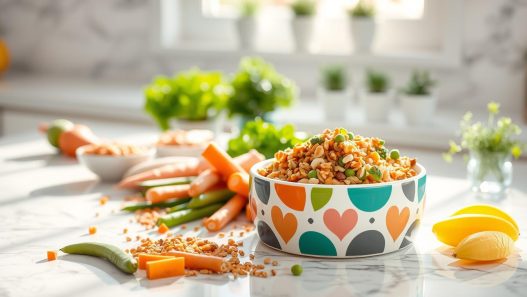
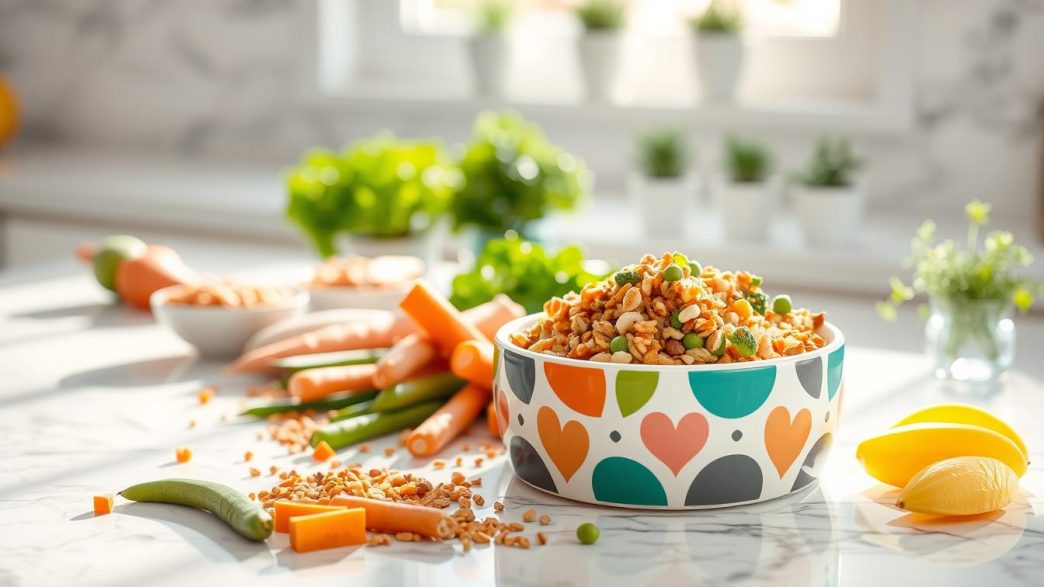
Are you looking to spice up your pet’s diet? Meal variety can truly enhance a dog’s bowl, making it more appealing while giving you control over freshness and ingredients. This article serves as a practical guide for pet owners eager to prepare nourishing dishes at home. By opting for cooked recipes, you can simplify handling and reduce concerns about cross-contamination often associated with raw food.
While creating visually balanced bowls is important, it’s essential to remember that they should be nutritionally complete. Consulting with a veterinarian or a veterinary nutritionist can help ensure your furry friend receives a balanced diet. In this guide, we will explore the process of selecting ingredients, balancing nutrients, and cooking with ease.
One small-business pet owner transitioned from costly raw options to manageable cooked recipes. They monitored their pet’s health closely, ensuring everything from weight to energy levels remained optimal. Join us as we dive into crafting delicious and healthy bowls for your beloved companion!
Key Takeaways
- Variety in meals can enhance your pet’s dining experience.
- Cooked recipes reduce cross-contamination risks.
- Consult a vet for balanced long-term feeding plans.
- Monitor your pet’s health when changing diets.
- Learn to balance nutrients effectively.
Why Choose Homemade Dog Meals?
Have you ever considered the benefits of preparing your pet’s food at home? Many pet owners find joy in creating their own recipes. This approach offers a sense of control over what goes into their furry friends’ bowls.
One of the primary reasons to cook for your pet is ingredient transparency. You can choose lean ground beef, ground turkey, chicken breast, green beans, sweet potatoes, and brown rice. This selection helps avoid unwanted preservatives and additives. You can also tailor meals for specific food sensitivities.
Additionally, home cooking allows for customization. You can adjust ingredients based on your pet’s preferences and dietary needs. This flexibility can keep your pet interested in their food. Variety is key, especially for dogs that may lose interest in the same recipe. Just introduce new ingredients slowly to maintain a balanced nutrient profile.
Another practical benefit is the potential for cost savings. For instance, a large batch of ingredients may cost around $40, compared to $200 for a month of purchased raw food, excluding supplements. Buying meat on sale and using affordable frozen vegetables can further reduce expenses.
However, it’s crucial to remember that cooking at home doesn’t automatically mean a healthier diet. An incomplete diet can lead to nutrient deficiencies over time. Always consult your vet to ensure that homemade feeding is appropriate for your specific dog.
- Control over protein quality: You choose the best options for your pet.
- Freshness: Cooking at home ensures meals are fresh and free from harmful additives.
- Soft textures: You can prepare meals that are easier for pets with chewing difficulties.
- Budget-friendly: Take advantage of sales and bulk buying to save money.
Essential Ingredients for Nutrient-Dense Bowls
Exploring essential ingredients can transform your pet’s dining experience. Each food group plays a vital role in ensuring your furry friend receives the nutrition they need. Understanding these components helps you create balanced and appealing bowls.
Proteins: Chicken, Beef, Turkey, and More
Protein is the foundation of any nutritious bowl. Cooked chicken, turkey, lean ground beef, and lamb provide excellent sources of protein. Additionally, properly deboned fish like salmon and sardines offer healthy omega-3 fatty acids.
When selecting protein, consider your pet’s tolerance and calorie needs. Each dog is unique, so consult your veterinarian to find the best protein sources for your companion.
Vegetables and Carbohydrates: Sweet Potatoes, Green Beans, Brown Rice
Carbohydrates serve as a vital energy source. Options like brown rice, white rice, quinoa, and sweet potatoes can be easily adjusted for texture and digestibility. These ingredients not only provide energy but also contribute to a well-rounded diet.
Incorporating soft vegetables like green beans, carrots, peas, and pumpkin adds fiber and moisture. These veggies should be cooked and chopped or blended to enhance digestibility.
Healthy Fats and Supplements: Coconut Oil, Fish Oil, and Calcium Sources
Healthy fats are crucial for maintaining energy levels and overall health. Coconut oil, olive oil, flaxseed oil, and fish oil can be beneficial, but they should be measured carefully to avoid overfeeding.
Calcium and vitamin supplementation is often necessary for a complete diet. Always choose supplements based on veterinary advice to ensure your pet receives the right nutrients.
Balancing Nutrition in Homemade Dog Meals
Understanding how to balance nutrition is crucial for your pet’s health. While variety in ingredients is important, it does not guarantee complete nutrition. Dogs have specific dietary needs that must be met to ensure their well-being.
A simple framework for meal planning might suggest using about 50% cooked protein, 25% digestible carbohydrates, and 25% vegetables. However, this is merely a starting point. It’s essential to remember that a bowl containing meat, rice, and vegetables may still lack vital nutrients like calcium, vitamin D, and zinc.
According to veterinary experts, long-term diets require a careful balance of protein, fat, vitamins, and minerals. The popular 80/10/10 ratio often associated with raw feeding does not apply to cooked diets. Relying solely on this framework could lead to nutritional deficiencies.
It’s advisable to consult a veterinary nutritionist when planning a permanent diet, especially for:
- Puppies needing extra nutrients for growth.
- Pregnant or nursing dogs requiring specialized nutrition.
- Seniors who may have different dietary needs.
- Dogs with medical conditions like kidney or heart issues.
Monitoring your pet’s body condition, stool quality, and energy levels is also crucial. Make adjustments based on professional guidance rather than appearance alone. A well-rounded diet will support your pet’s overall health and vitality.
“Nutrition is the foundation of health for all pets.” – Veterinary Nutritionist
Step-by-Step Preparation Using Slow Cooker and Other Methods
Using simple methods to prepare your pet’s food can save time. One of the best options for busy households is the slow cooker. This hands-off method allows you to prepare nutritious recipes with minimal effort.
Here’s a straightforward workflow to create nutrient-dense bowls for your furry friend:
- Equipment Needed:
- Slow cooker
- Large stainless-steel bowl
- Immersion blender
- Spatula
- Measuring cup
- Digital kitchen scale
- Baking sheet
- Freezer-safe bags or containers
To start, gather your ingredients. For a simple slow cooker recipe, combine:
- 2 cups of diced chicken
- 1 cup of sweet potato, chopped
- 1 cup of carrots, sliced
- 1 cup of green beans, trimmed
- 1 cup of kidney beans, rinsed
- 1 tablespoon of coconut oil
- 3 cups of water or unsalted broth
Place all ingredients into the slow cooker. Cover them with water or broth and set the cooker to low for about 8-9 hours. This method allows the meat to become tender and the vegetables to cook thoroughly.
For delicate ingredients like peas, add them in the last 30 minutes of cooking. This helps preserve their texture and nutrients. Remember, all ingredients should remain plain and free from seasoning.
Once cooking is complete, use an immersion blender to mix the food until smooth. This step is especially helpful for picky eaters or smaller pets. It ensures each serving has a consistent ingredient ratio.
Next, portion the food into freezer-safe bags. Flatten the bags on a baking sheet for efficient storage. Freeze them until solid, then store them in the freezer. Thaw only a few days’ worth of food at a time in the refrigerator.
Always cool the food promptly and refrigerate it below 40°F (4°C). Use clean utensils and containers to handle the food safely.
“Cooking for your pet can be a rewarding experience that strengthens your bond.” – Pet Nutrition Expert
With these steps, you can create delicious and healthy bowls that your pet will love. Enjoy the process and the joy it brings to your furry friend!
Creative Recipe Ideas to Vary Your Dog’s Meals
Creating exciting and varied recipes can elevate your pet’s dining experience. Offering a range of flavors and textures keeps mealtime interesting. Here are some adaptable ideas to inspire your next cooking session.
Poultry-Based Bowls
Start with a mild chicken bowl made from cooked chicken, sweet potato, and green beans. This simple recipe is great for beginners. Ensure to include a measured calcium or veterinary supplement for balanced nutrition.
Next, try a turkey and brown rice bowl with butternut squash and peas. This option is perfect for dogs that tolerate poultry and soft grains well. Another idea is a turkey and oatmeal meal, providing a hearty yet gentle dish.
Beef and Lamb Options
For a heartier option, consider a beef or lamb stew. Use lean ground beef or lamb, along with potatoes or sweet potatoes, carrots, and green beans. Cook everything in water or unsalted broth, draining any excess fat for a healthier meal.
Additionally, you can prepare a beef recipe with lentils and vegetables in a slow cooker. This method allows for easy batch cooking, making it simple to portion and freeze for later use.
Vegetarian and Grain-Free Alternatives
Grain-free meals can incorporate sweet potatoes, pumpkin, squash, or regular potatoes. These ingredients provide healthy carbohydrates without grains. However, vegetarian recipes require strict veterinary supervision. Dogs still need carefully calculated amino acids, minerals, and vitamins.
When using fish, such as salmon or sardines, ensure they are properly cooked and deboned. Pair these with rice, pumpkin, peas, or green beans for a nutritious, omega-rich meal. Just be cautious with added oils and calories.
| Recipe Type | Main Ingredients | Notes |
|---|---|---|
| Chicken Bowl | Cooked chicken, sweet potato, green beans | Add calcium supplement |
| Turkey Bowl | Ground turkey, brown rice, butternut squash, peas | Good for soft grain tolerance |
| Beef Stew | Lean ground beef, potatoes, carrots, green beans | Drain excess fat |
| Fish Bowl | Salmon, rice, pumpkin, peas | Watch for added calories |
| Grain-Free Meal | Sweet potatoes, pumpkin, squash | Monitor for nutritional balance |
These recipes serve as a foundation for nutritious and enjoyable meals. Feel free to adapt them based on your pet’s preferences and dietary needs. Enjoy the cooking process and the joy it brings to your furry friend!
Portion Control and Feeding Guidelines for Different Dogs
Portion control is vital for maintaining your pet’s health and happiness. Knowing how much to feed your furry friend can help ensure they thrive. The right amount of food depends on various factors, including ideal body weight, age, activity level, and health conditions.
A general starting point for many adult dogs is about 2-3% of their ideal body weight in prepared food each day. This is not a strict rule, but a guideline. For example, a 5 kg dog may need about 100-150 grams daily, while a 15 kg dog could require around 300-450 grams. A larger dog, weighing 30 kg, might need between 600-900 grams per day, usually divided into two meals.
For instance, a corgi may consume approximately ¾ cup of food daily, split into two servings. Limiting treats and table scraps is crucial to maintain a healthy weight and protect their back health.
- Portion size depends on: ideal body weight, age, activity level, metabolism, neuter status, medical conditions, and whether the meal is a complete diet or just a topper.
- Use the 2-3% guideline as a starting estimate for healthy adult dogs. However, a digital scale is recommended since a cup of meat, rice, or vegetables can vary in calories.
- Divide the daily amount into breakfast and dinner. Smaller or more frequent meals may be necessary for senior dogs or those with digestive concerns, as advised by a vet.
- Adjust portions gradually if your dog gains or loses weight, appears unusually hungry, or shows reduced energy. A veterinary check is advisable for unexplained changes.
- Count treats, table scraps, oils, and supplements as part of the daily calorie intake. This is especially important for breeds like corgis, which may be prone to excess weight and back strain.
By keeping these guidelines in mind, you can help your furry friend maintain a healthy weight and enjoy their meals. Remember, every dog is unique, so regular check-ins with your vet can ensure their dietary needs are met.
Addressing Special Dietary Needs and Allergies
Understanding your pet’s unique dietary needs is essential for their health. Many dogs have specific sensitivities that can affect their well-being. Adapting their meals can help manage these issues effectively.
For dogs with suspected allergies, a controlled approach is vital. Under veterinary supervision, introducing a single novel protein and carbohydrate can help identify triggers. Options like venison, duck, or carefully selected fish may be suitable. Keeping a food diary is also recommended. This diary should record ingredients, portions, stools, itching, vomiting, and any other changes.
For dogs with sensitive stomachs, a limited-ingredient bowl can be beneficial. This may include one protein, such as turkey or venison, paired with one carbohydrate like sweet potato or quinoa. However, it’s important to note that this should not replace a formal veterinary elimination diet when allergies are suspected.
Itchy skin, loose stools, vomiting, weight loss, increased thirst, or low energy can indicate issues unrelated to food. A veterinarian should assess these symptoms for accurate diagnosis and treatment.
Diabetic dogs require consistent meal timing and portions. They thrive on lower-glycemic, fiber-rich ingredients. Meanwhile, dogs with kidney or heart disease need carefully controlled nutrient levels. This includes protein, phosphorus, and sodium, which cannot be safely guessed from general recipes.
Puppies, pregnant dogs, nursing dogs, and those on medication should not begin a new diet without professional guidance. A veterinarian or veterinary nutritionist can create and monitor a suitable plan for these pets.
| Condition | Dietary Considerations | Recommended Ingredients |
|---|---|---|
| Allergies | Introduce novel proteins and carbs | Venison, duck, sweet potato |
| Sensitive Stomach | Limited-ingredient diet | Turkey, quinoa |
| Diabetes | Consistent portions, low-glycemic | Brown rice, green beans |
| Kidney Disease | Controlled protein and phosphorus | Ground turkey, carrots |
| Heart Disease | Monitor sodium levels | Fish oil, brown rice |
| Puppies | Balanced calcium and phosphorus | Chicken, sweet potato |
By addressing these special dietary needs, you can help your furry friend thrive. Always consult with a veterinarian to ensure your pet’s diet is safe and effective.
Storage Solutions for Homemade Dog Food
Proper storage of your pet’s food is key to maintaining its freshness and safety. When you prepare meals for your furry friend, it’s important to know how to store them properly. This ensures that your efforts in cooking nutritious food do not go to waste.
Cooked food can generally be refrigerated for about three days in shallow, sealed containers. For longer storage, you can freeze the food for up to three months. Proper packaging and labeling are essential to keep everything organized and safe.
Here are some practical tips for storing your pet’s food:
- Divide and conquer: After cooking, divide a cooled batch into individual or two-day portions. Use freezer-safe bags, silicone molds, shallow containers, or reusable storage tubs for easy management.
- Label wisely: Every portion should be labeled with the recipe name, serving weight, ingredients, and preparation date. This helps you use older meals first and track any recipe changes.
- Keep it fresh: Only store a few days’ worth of food in the refrigerator. Freeze the rest promptly to avoid letting a large batch sit chilled for too long.
- Thaw correctly: Thaw meals in the refrigerator overnight or for up to two days. Avoid countertop thawing, as warmer temperatures can encourage bacterial growth.
- Serve safely: Serve food cool or at room temperature. If you need to reheat, do so gently. Discard any leftovers that have been sitting in the bowl for an extended period.
“Proper food storage is crucial for keeping your pet healthy and happy.” – Pet Care Expert
By following these storage solutions, you can ensure that your pet’s meals remain safe and delicious. This way, you can focus on preparing nutritious food without worrying about spoilage.
Safety Tips When Preparing and Serving Homemade Meals
When it comes to your pet’s nutrition, safety should always come first. Ensuring that the food you prepare is safe can help keep your furry friend healthy and happy. Here are some essential safety tips to follow:
- Toxic Foods to Avoid: Always steer clear of the following ingredients, as they can be harmful to dogs:
- Onions
- Garlic
- Chives
- Leeks
- Grapes
- Raisins
- Chocolate
- Xylitol
- Alcohol
- Caffeine
- Macadamia nuts
- Nutmeg
- Moldy food
- Excessive sodium
- Heavy seasoning
- Meat and Fish Safety: Always cook meats and fish thoroughly. Remove all fish bones and drain excess fat before serving.
- Cooking Temperatures: Use a food thermometer to ensure meats are cooked to safe temperatures. This helps eliminate harmful bacteria.
- Avoid Cooked Bones: Never add cooked bones to your pet’s meals. They can splinter and cause serious internal injuries.
- Cross-Contamination Prevention: Raw meat can carry bacteria like Salmonella or Campylobacter. Wash your hands, sanitize worktops, and clean bowls thoroughly after handling raw food.
- Dedicated Equipment: Use a separate bowl and utensils for your pet’s food. This helps prevent cross-contamination with human food.
- Cooling Food Promptly: Cool cooked food quickly and store it in the refrigerator below 40°F (4°C) to prevent spoilage.
- Contact a Professional: If you suspect your pet has consumed a toxic ingredient, contact a veterinarian or animal poison service immediately.
“Safety in food preparation is key to providing a healthy diet for your pet.” – Pet Nutrition Expert
By following these safety tips, you can confidently prepare meals that are not only nutritious but also safe for your furry friend. Your pet’s health and happiness depend on it!
Expert Tips and Common Mistakes to Avoid
Navigating the world of homemade pet food can be challenging, but avoiding common pitfalls is essential. Many pet owners are eager to provide their furry friends with nutritious meals, yet some mistakes can undermine their efforts.
One significant error is skipping necessary supplements. A homemade recipe may lack essential calcium, fatty acids, vitamins, and minerals. For instance, too much liver can overload vitamin A, while excessive oil can increase calories and lead to digestive issues.
To create balanced meals, introduce changes gradually. Monitor your pet’s stools and body condition closely. Consult a veterinarian for a complete long-term formulation tailored to your dog’s needs.
Here’s a checklist of common mistakes to avoid:
- Weigh ingredients: Use a scale for accuracy instead of relying on cups. Different recipes can vary in moisture, meat, and rice content.
- Select appropriate supplements: Choose specific supplements for each recipe. Crushed eggshell, fish oil, and multivitamins are not interchangeable.
- Limit added oils: Avoid excessive amounts of coconut oil, olive oil, or fish oil, as concentrated fats can lead to weight gain and upset digestion.
- Rotate ingredients cautiously: Change proteins and vegetables only after your dog tolerates the base recipe. Alter one variable at a time to identify any digestive reactions.
- Recognize limitations: Homemade meals can support a healthy routine but cannot diagnose or treat medical issues like vomiting, diarrhea, or weight loss.
By keeping these tips in mind, you can create safe and nutritious meals for your furry companion. Your efforts will surely lead to a happier and healthier pet!
Conclusion
Taking charge of your pet’s nutrition can be an enriching experience. A successful approach begins with a reliable base of cooked protein, digestible carbohydrates, and vegetables. Don’t forget to include measured fats and necessary supplements for a balanced diet.
Variety is essential; it enhances palatability and keeps your furry friend interested in their food. Start by preparing a small batch and monitor your pet’s response. Gradually introduce new recipes while observing their body condition and stool quality.
Remember to store food safely, avoid toxic ingredients, and keep preparation areas clean. By prioritizing freshness, balance, and safety, you can create rewarding meals that contribute to your pet’s health and happiness.