
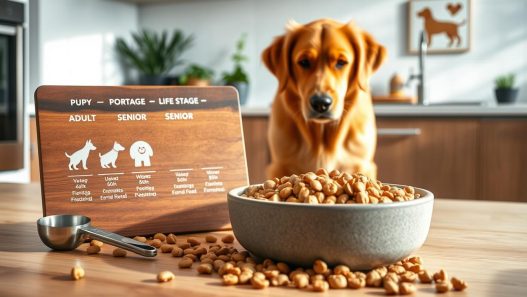
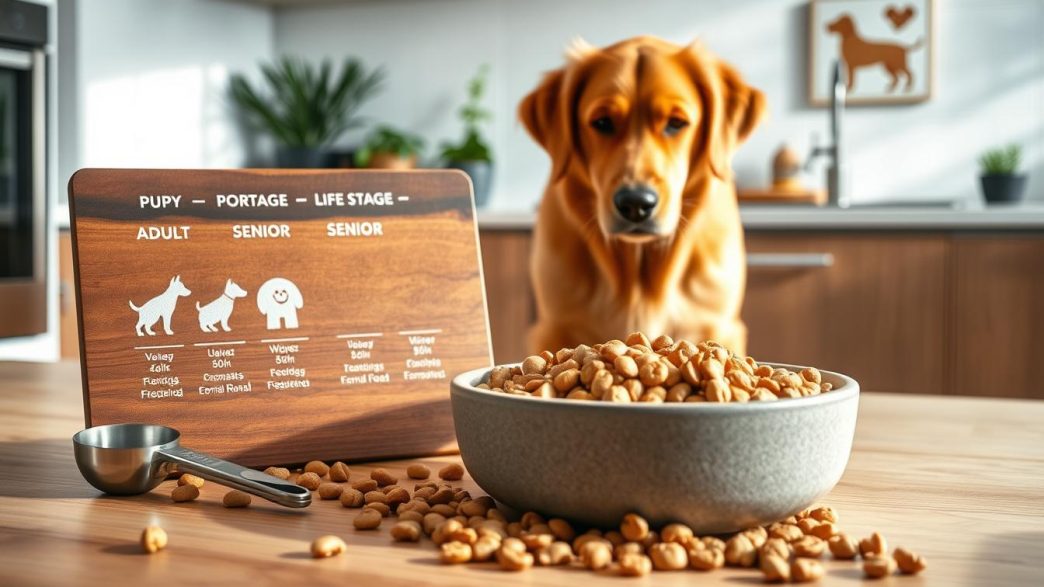
Welcome to your go-to guide for understanding the eating patterns of your furry friend! Feeding routines are essential for a pet’s overall health and well-being. This guide aims to help owners create practical, consistent routines that align with their dog’s age, size, and activity level.
Feeding involves more than just what your pet consumes; it also includes portion sizes, meal timing, and even treat management. The right amount of quality food can significantly impact your pet’s health. Overfeeding can lead to obesity, while underfeeding may cause nutritional deficiencies.
To establish a suitable routine, start with the feeding chart on your chosen food package. Then, consider factors like body condition, weight trends, and energy levels. Remember, each pet is unique, and adjustments may be necessary as they age or their health changes.
In this guide, we will explore how to determine the right portions, manage treats, and adjust routines effectively. Our aim is to help you support your pet’s long-term health while ensuring a joyful mealtime experience.
Key Takeaways
- Feeding habits encompass more than just food; they include portion sizes and routines.
- Every pet requires a unique feeding approach based on their individual needs.
- Use feeding charts as a starting point and adjust based on your pet’s condition.
- Consistent feeding helps prevent overfeeding and highlights changes in health.
- Consult a veterinarian for tailored advice, especially for special circumstances.
What Are Dog Feeding Habits and Why Do They Matter?
Understanding how your pet eats can significantly impact their well-being. Feeding routines are not just about the food itself; they involve how much is given, when it’s served, and the overall approach to mealtime. Establishing healthy feeding habits can lead to a happier, healthier pet.
Defining feeding habits means looking at the repeated patterns that dictate what a dog eats, how much they receive, when they eat, and how food is delivered. These habits should include:
- Measured portions to avoid overfeeding.
- Regular meal times to create consistency.
- Sensible treats that fit within their diet.
- Access to fresh water at all times.
- Consistent rules for everyone in the household.
When feeding is done correctly, it can promote steady energy levels, healthy digestion, and a strong immune system. A balanced diet is essential for maintaining a healthy body condition.
However, feeding too little can lead to low energy and nutritional deficiencies. On the other hand, overfeeding is a common issue that can increase the risk of obesity-related health problems, such as heart disease and diabetes.
To help you establish a routine, consider creating a simple written schedule. Measured portions and a shared family plan can replace unreliable estimates. This way, you can ensure that your pet receives the right amount of food every day.
It’s also important to note that certain behaviors, like begging or eating too quickly, may reflect their routine or even stress. Understanding these signs can help you adjust their feeding plan for better outcomes.
“A balanced diet is essential for maintaining a healthy body condition.”
By focusing on these aspects, you can help your furry friend thrive and enjoy their meals.
Key Factors That Influence Dog Feeding Habits
Several key elements play a role in determining how to best nourish your furry companion. Understanding these factors can help you create a tailored feeding plan that meets your pet’s unique needs.
Age and Life Stage: Puppies, Adults, and Seniors
Puppies have different nutritional priorities compared to adults and seniors. They require more calories, protein, and essential nutrients to support their rapid growth. It’s crucial to provide them with the right formulas, especially for large-breed puppies, to ensure proper bone and joint development.
As dogs transition into adulthood, their nutritional needs stabilize. However, senior dogs often need careful calorie management due to decreased activity levels. Monitoring their weight and adjusting their diet can help maintain their health.
Size and Breed Differences
The expected adult size of your pet is vital when feeding puppies. Larger breeds generally need more food than smaller ones. However, it’s essential to avoid using breed labels alone to determine serving sizes. Each dog’s individual needs can vary significantly.
Activity Level and Reproductive Status
Daily calorie requirements can change based on your pet’s activity level. Highly active dogs may need more calories, while spayed or neutered dogs often require fewer. Pregnant or nursing dogs also need increased caloric intake to support their growing puppies.
Health Considerations and Body Condition Score
Using a body condition score is an effective way to evaluate whether your pet is at a healthy weight. Overweight dogs generally need fewer calories, while underweight dogs may require more, ideally under veterinary guidance. Pay attention to sudden changes in appetite or weight, as these may signal health issues that need to be addressed.
Lastly, consider the calorie density of the food you choose. Two different foods can require varying portion sizes, even if they appear similar in volume. Always consult with your veterinarian for personalized advice on your pet’s feeding routine.
How to Determine the Right Amount of Food for Your Dog
Calculating the right food portions for your pet is crucial for their health. Understanding how to measure the correct amount ensures that your furry friend receives the nutrition they need without overindulging.
Start with the feeding chart printed on the specific dog food packaging. This chart provides a baseline for how much food to offer based on your pet’s weight, age, and activity level. However, remember that these recommendations are just a starting point. Individual needs can vary significantly.
Using Feeding Charts and Dog Food Labels
Locate the food’s feeding chart and check if its recommendations are based on:
- Current body weight
- Ideal weight
- Age
- Expected adult weight
This information helps you tailor your approach. It’s essential to remember that calorie needs can differ from one pet to another.
Understanding Calories and Nutritional Content
Reading the calorie statement on the food label is vital. It shows how many calories are in each cup, can, or serving. Calorie density affects how much food to place in the bowl. For instance, a high-calorie food means smaller portions.
To effectively manage your pet’s diet, consider the following:
- Divide the recommended daily amount across the planned meals.
- Weigh dry food using a kitchen or pet scale for accuracy.
- Subtract treat calories from the daily meal allowance.
Adjusting Portions Based on Your Dog’s Condition
Adjusting portions based on your pet’s condition is essential. Healthy adjustment signals include:
- A visible waistline
- Ribs that can be felt but not prominently seen
- Stable energy levels
- An appropriate weight trend
Make gradual changes to their diet, and consult a veterinarian before implementing a weight-loss plan or if your pet has specific health needs.
“Calculating the right food portions for your pet is crucial for their health.”
By following these guidelines, you can ensure that your pet receives the right amount of food daily, promoting their overall health and happiness.
| Factor | Recommendation |
|---|---|
| Current Weight | Use the feeding chart for guidance. |
| Ideal Weight | Adjust portions to meet this target. |
| Age | Consider nutritional needs based on life stage. |
| Activity Level | Increase or decrease portions based on activity. |
| Health Conditions | Consult a vet for tailored advice. |
Building an Effective Dog Feeding Schedule
Creating a structured feeding schedule is vital for your pet’s health and happiness. A well-planned routine not only helps manage portions but also supports digestion and maintains a consistent appetite. It can also enhance training efforts and promote a healthy lifestyle.
When establishing a feeding schedule, consider the following:
Recommended Number of Meals by Age and Breed Size
Feeding charts typically indicate the total daily amount of food, which should be divided into several meals. For puppies up to 4 months old, three meals a day is a common starting point, regardless of breed size. However, toy-breed puppies may require four to five smaller meals until they reach 4 months.
As they grow, toy puppies usually transition to three meals a day from 4 to 6 months and then to two meals from 6 months onward, based on veterinary guidance. For small and medium adult dogs, two meals per day is typical. Large and giant breeds, along with seniors, may benefit from two to three meals daily.
Timing Your Dog’s Meals for Optimal Digestion and Metabolism
Consistency in meal times is crucial. Regular morning and evening feeding times help manage hunger and prevent begging behaviors. This is especially important for dogs that tend to eat quickly or require medication with food.
Smaller, more frequent meals can aid digestion and reduce the tendency to gulp food, which may lead to swallowed air and discomfort. It’s best to avoid feeding immediately before or after vigorous exercise. Allow about one hour between meals and activity to promote optimal digestion.
Benefits of Regular Feeding Routines
Establishing a feeding schedule offers several benefits:
- Helps prevent overeating and obesity.
- Encourages a healthy appetite and consistent energy levels.
- Facilitates easier monitoring of changes in appetite or weight.
- Creates a sense of security and routine for your pet.
Maintaining a written schedule can also help families avoid duplicate meals and keep track of their pet’s feeding habits. With these strategies, you can ensure your furry friend receives the right nutrition and enjoys their meals every day.
“Creating a structured feeding schedule is vital for your pet’s health and happiness.”
Choosing Quality Dog Food and Healthy Feeding Practices
Making informed choices about your pet’s diet can lead to a happier and healthier life. A suitable diet should provide balanced nutrition tailored to your furry friend’s life stage, size, and activity level. Understanding what to look for in dog food is crucial for their well-being.
What to Look for in Dog Food Ingredients
Quality dog food should deliver complete nutrition. Look for ingredients that meet your pet’s specific needs. Higher protein and fiber content can help some dogs feel satisfied while managing their energy intake. Always check the guaranteed analysis and calorie information on the label. This will guide you in selecting the best options.
Avoid judging food quality solely by marketing claims. Instead, focus on the content and nutritional value. A good rule of thumb is to choose foods with recognizable ingredients that support your pet’s health.
Avoiding Overfeeding with Portion Control
Measuring every meal is essential. Instead of estimating with an overfilled scoop, use a scale for accuracy. Consider setting aside daily portions in labeled containers if multiple people feed your pet. This practice helps ensure your furry friend receives the right amount of food.
Remember, treats, chews, and table scraps contribute to daily calories. They should account for no more than 10% of your pet’s daily intake. Using part of their regular kibble for training rewards can help manage their weight effectively.
Healthy Treats and Snacks: What and How Much
When selecting treats, opt for healthier options in small portions. Safe snacks include carrots, cucumber, and seedless apple slices. However, be cautious of foods that can be toxic to dogs, such as chocolate, grapes, raisins, onions, garlic, and macadamia nuts.
For pets that eat too quickly, consider using puzzle feeders or slow-release toys. These can make mealtime more engaging and help prevent digestive issues. Always ensure that the total daily portion remains unchanged to maintain a healthy weight.
Finally, if you consider home-cooked or raw diets, consult a veterinarian. Proper guidance is essential to ensure nutritional balance and safety.
Common Feeding Challenges and How to Address Them
Addressing common feeding issues can enhance your pet’s health and happiness. Many owners encounter challenges such as obesity, picky eating, and begging. Understanding these issues can help you create effective solutions that benefit both you and your furry friend.
Managing Overweight and Obesity Risks
Excess meals, treats, and table scraps can lead to weight gain. Free access to food often results in a calorie surplus, making it harder to maintain a healthy weight. If your pet needs to lose weight, consider replacing free feeding with measured portions served at consistent times.
Offering fresh water, engaging in play, or taking your pet for a walk can redirect begging behaviors. Feeding your pet before the family meal can also reduce the urge to beg during dinner time. Avoid rewarding persistent begging with high-calorie snacks, as this reinforces the behavior.
Dealing with Fussy Eaters
Fussy eaters can be a challenge, but you can encourage better eating habits. Limit access to human food and excessive treats. Praise your pet for eating their own food, and maintain a consistent feeding window to help establish a routine.
Involve one responsible adult in overseeing meals, or use a family feeding chart to track what your pet has already received. If your pet suddenly loses their appetite or shows signs of distress, consult your vet for guidance rather than simply switching foods.
Preventing Begging and Unhealthy Feeding Behaviors
Begging often indicates a desire for attention rather than hunger. Providing regular meals at set times can help establish a feeding schedule that works for your pet. If your dog begs, consider offering a safe, low-calorie snack or engaging them in a different activity.
For puppies and dogs in training, frequent rewards can be effective. Just ensure that these treats come from their daily calorie allowance and are tracked like any other food. This approach helps maintain a healthy weight while encouraging positive behaviors.
Integrating Your Dog’s Feeding Habits Into Their Overall Lifestyle
A well-rounded approach to your pet’s nutrition and daily activities can lead to a more fulfilling life. Feeding is just one part of your pet’s overall routine. It’s essential to coordinate their meals with exercise, play, and hydration to support their health.
Regular exercise plays a significant role in maintaining your pet’s fitness and energy levels. It helps with strong bones, muscle tone, and healthy weight management. Ensure your furry friend has access to fresh water throughout the day, especially after physical activities.
The Role of Exercise and Activity
Incorporating exercise into your pet’s daily routine can enhance their overall well-being. Daily walks, playtime, and training sessions should be part of their schedule. These activities not only keep them physically fit but also mentally stimulated.
When planning meals, consider the amount of activity your pet engages in. For instance, if your dog has a day filled with exercise, they may require more calories. Conversely, during less active periods, you may need to reduce their food intake to maintain a healthy weight.
Monitoring and Adjusting Feeding as Your Dog Ages
As your pet grows, their nutritional needs will change. Puppies require frequent reassessment to ensure they are getting the right amount of food as they grow. Adult dogs may need adjustments after changes in activity levels or reproductive status.
Senior pets often benefit from diets that support joint health and contain fewer calories. Always consult your veterinarian to find the best food for your pet’s specific needs.
Working with Your Veterinarian for Personalized Plans
Your veterinarian is an invaluable resource for creating a tailored feeding plan. They can help calculate the right portions, assess body condition, and suggest high-quality food options. Regular veterinary visits can ensure your pet’s diet aligns with their health status.
Keep an eye on your pet’s weight, energy levels, and appetite. If you notice sudden changes in their eating behavior or weight, contact your vet promptly. Keeping a simple record of their food, treats, exercise, and any symptoms can help your veterinarian identify patterns and make informed recommendations.
| Factor | Recommendation |
|---|---|
| Exercise Level | Adjust food portions based on daily activity. |
| Age | Reassess feeding needs as your pet matures. |
| Health Status | Consult a vet for dietary adjustments as needed. |
| Weight Management | Monitor regularly and adjust portions accordingly. |
| Hydration | Ensure fresh water is available at all times. |
By integrating your pet’s feeding habits into their overall lifestyle, you can help them lead a healthier and happier life.
Conclusion
In conclusion, nurturing your pet through proper nutrition is a rewarding experience. Start by selecting balanced food, measuring daily portions, and dividing them into suitable meals served at consistent times. Remember to account for treats, chews, and training rewards within your pet’s total calorie allowance.
Regularly check your pet’s body condition, weight, appetite, and energy levels. This proactive approach allows for adjustments before small issues escalate. Special cases like puppies, seniors, or pets with medical conditions may require tailored guidance from your veterinarian.
Always provide fresh water and coordinate meal times with exercise and household activities. Use the food label as a starting point, keep a record of your pet’s routine, and consult your vet for personalized advice whenever their needs change.