
Welcome, dog owners! In 2026, many of us are making nutrition a top priority for our furry friends. Whether you have a tiny Dachshund or a towering Newfoundland, it’s essential to ensure they thrive and enjoy long, healthy lives.
Have you heard about the power of nutrient-rich ingredients? These special foods, often referred to as superfoods, offer proven health benefits that go beyond basic nutrition. With over 65% of dog owners seeking natural supplements, it’s clear that many are eager to enhance their pets’ diets.
This article is your comprehensive guide to the top superfoods every dog owner should know. We’ll explore what these foods are, why they matter, and how to safely incorporate them into your pup’s routine. Drawing insights from trusted sources like North Hound Life and Darwin’s, we aim to empower you to make informed choices without needing a veterinary degree.
Get ready to discover how ingredients like blueberries, pumpkin, and salmon can transform your dog’s health, energy, and overall vitality!
Key Takeaways
- Nutrition is key for your dog’s long-term health.
- Superfoods provide essential nutrients that support overall wellness.
- Natural supplements are increasingly popular among dog owners.
- This guide covers top superfoods and how to use them safely.
- Recommendations are tailored for both small and large breeds.
Understanding Canine Superfoods: What They Are and Why They Matter
As pet parents, understanding what truly nourishes our dogs is vital. Canine superfoods are nutrient-rich ingredients that offer proven health benefits beyond standard nutrition. Foods like blueberries, salmon, and pumpkin are packed with antioxidants, healthy fats, vitamins, and minerals essential for dogs of all ages.
Unlike regular dog food, which often meets minimum nutritional standards, diets enriched with these special ingredients aim to boost immunity, enhance digestion, and support long-term wellness. This is particularly important as many dogs face common health issues that can be addressed with the right nutrition.
Definition and Key Characteristics of Canine Superfoods
Canine superfoods are defined as nutrient-dense ingredients that deliver maximum health benefits with minimal calories. These foods typically have:
- High levels of antioxidants to combat oxidative stress.
- Omega-3 fatty acids that promote healthy skin and coat.
- Essential vitamins and minerals that support overall health.
- Easily digestible fiber to aid in digestion.
Health Benefits Beyond Regular Dog Food
Incorporating superfoods into your dog’s diet can significantly enhance their health. These foods actively boost the immune system, improve digestion, and contribute to overall wellness, rather than merely maintaining weight.
For instance, antioxidants found in blueberries and pumpkin can reduce inflammation and protect cells. This is especially beneficial for senior dogs, supporting their brain health and mobility.
Addressing Common Canine Health Issues with Superfoods
Many dogs face health challenges, such as:
- Joint stiffness and mobility issues.
- Digestive upsets and sensitive stomachs.
- Weak immune systems and allergies.
- Dull coats and low energy levels.
Incorporating superfoods like bone broth can provide amino acids and collagen, which support gut health and joint vitality. This approach is one of the most caring choices a pet parent can make for their dog’s health and happiness.
Top Canine Superfoods to Include in Your Dog’s Diet
It’s time to elevate your dog’s meals with nutrient-packed ingredients. In 2026, these eight superfoods stand out for their exceptional nutrition and proven benefits. Each one can play a vital role in enhancing your dog’s health and happiness.
Blueberries: Antioxidant Powerhouse for Brain and Coat Health
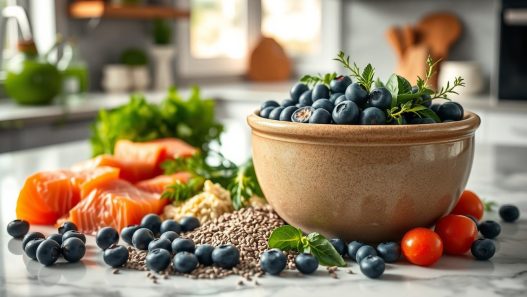
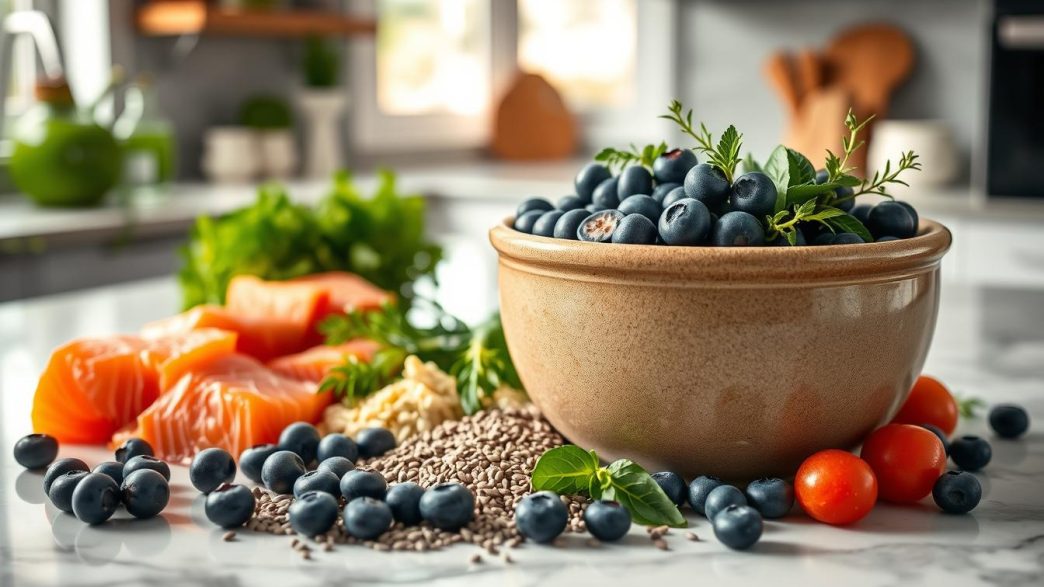
Blueberries are a fantastic source of antioxidants known as anthocyanins. These compounds help reduce inflammation and protect cells from oxidative stress. They support brain health and memory function, especially in senior dogs. A few blueberries a day is plenty for small breeds like French Bulldogs, while larger dogs, such as Bernese Mountain Dogs, can enjoy a small handful.
Pumpkin: Digestive Support and Immune Booster
Pumpkin is rich in beta-carotene and vitamin A, which boost the immune system. Its high soluble fiber content helps regulate digestion, making it effective for both diarrhea and constipation. Start with a teaspoon for small dogs and up to a tablespoon for larger breeds.
Salmon: Omega-3 Fatty Acids for Skin, Coat, and Joints
Salmon is loaded with omega-3 fatty acids (DHA and EPA) that reduce shedding, soothe itchy skin, and support joint health. Opt for Canadian wild-caught salmon, cooked thoroughly or freeze-dried for safety. This fish can be a delicious addition to your dog’s diet.
Sweet Potato: Hypoallergenic Energy and Digestive Aid
Sweet potatoes are a complex carbohydrate rich in vitamins C and B6, along with potassium. They provide lasting energy and are a hypoallergenic option for dogs with grain sensitivities. This makes them an excellent choice for active breeds.
Chia Seeds: Heart Health and Weight Management
Chia seeds are tiny but mighty, packed with omega-3s, fiber, and protein. They support heart health and weight management. It’s best to soak chia seeds in water before serving. Start with a quarter teaspoon for toy breeds and up to a full teaspoon for larger dogs.
Bone Broth: Joint and Gut Health Support
Bone broth is rich in collagen, amino acids, glucosamine, and chondroitin. These nutrients are essential for joint health and gut support. Start with a quarter cup for small dogs and up to a cup for larger breeds. It’s also a great option for picky eaters.
Broccoli: Antioxidants and Detoxification Benefits
Broccoli is loaded with vitamins K and C, fiber, and cancer-fighting antioxidants. It offers detoxification benefits but should be served in small portions to avoid stomach upset. Steaming or pureeing broccoli can make it easier for your dog to digest.
Turmeric: Natural Anti-Inflammatory for Arthritis and Pain
Turmeric contains curcumin, a powerful anti-inflammatory and antioxidant. This makes it beneficial for dogs with arthritis or chronic pain. A pinch is sufficient for small dogs, while larger breeds can handle up to half a teaspoon daily.
Incorporating these superfoods into your dog’s diet can lead to remarkable health benefits. Remember, moderation is key. These ingredients should complement, not replace, a balanced dog food or diet.
| Superfood | Key Nutrients | Health Benefits | Serving Size |
|---|---|---|---|
| Blueberries | Antioxidants (anthocyanins) | Brain health, coat shine | Few for small dogs, handful for large |
| Pumpkin | Beta-carotene, vitamin A, fiber | Digestive regulation, immune support | 1 tsp for small, 1 tbsp for large |
| Salmon | Omega-3 fatty acids (DHA, EPA) | Skin health, joint support | Cooked or freeze-dried, as preferred |
| Sweet Potato | Vitamins C, B6, potassium | Energy source, hypoallergenic | As part of meals |
| Chia Seeds | Omega-3s, fiber, protein | Heart health, weight management | 1/4 tsp for small, 1 tsp for large |
| Bone Broth | Collagen, amino acids | Joint and gut health | 1/4 cup for small, 1 cup for large |
| Broccoli | Vitamins K, C, fiber | Antioxidants, detox benefits | Small portions, steamed or pureed |
| Turmeric | Curcumin | Anti-inflammatory, pain relief | Pinch for small, up to 1/2 tsp for large |
Incorporating the Main Keyword: How Canine Superfoods Boost Overall Dog Health
Unlocking the full potential of your dog’s diet starts with the right ingredients. By incorporating nutrient-rich options, you can enhance your dog’s overall health and vitality. These special foods work together to support various aspects of well-being, from boosting immunity to improving energy levels.
Enhancing Immunity, Energy, and Vitality
Superfoods provide a holistic approach to health. Ingredients like blueberries and sweet potatoes are rich in antioxidants, which help reduce inflammation. This, in turn, strengthens the immune system and protects cells from oxidative stress.
Furthermore, omega-3 fatty acids found in salmon and chia seeds promote heart health and support a shiny coat. These healthy fats can also help prevent skin problems and allergies, ensuring your dog feels their best.
Supporting Joint, Digestive, and Skin Health
Joint health is crucial, especially for senior dogs and larger breeds. Bone broth and turmeric are excellent choices that can alleviate arthritis pain and improve mobility. These ingredients work together to keep your furry friend active and comfortable.
Additionally, fiber-rich superfoods like pumpkin and sweet potato aid digestion. They help regulate bowel movements and support weight management, making them suitable for dogs of all sizes.
Tailoring Superfoods for Different Breeds and Life Stages
It’s essential to tailor superfoods to your dog’s specific needs. Puppies benefit from DHA, which supports brain development, while older dogs may require anti-inflammatory ingredients for joint support. Consulting with a veterinarian can help you create the best diet plan.
Canadian veterinarians and pet nutritionists agree that incorporating these nutrient-dense foods can be a game changer. Many have seen visible improvements in energy and mobility when superfoods are included in the diet.
Consider viewing these ingredients as a long-term investment in your dog’s health and happiness. With the right approach, you can ensure your dog enjoys a vibrant and fulfilling life.
Safe and Effective Ways to Introduce Canine Superfoods to Your Dog’s Diet
Introducing new ingredients into your dog’s meals can be a rewarding journey. A gentle approach is essential to avoid digestive upset, especially for small breeds like Dachshunds or larger ones like Newfoundlands. Start by selecting one superfood at a time, such as a teaspoon of pureed pumpkin or a few blueberries.
Gradually increase the serving size over a week while observing your dog’s reaction. For small breeds, begin with half the recommended amount, while larger dogs can handle a bit more. It’s important to wait 2-3 days before adding another new ingredient, allowing your dog’s digestive system to adjust without confusion.
Keeping a food diary can be helpful. Track changes in appetite, energy, and stool quality. This makes it easier to identify what works well for your pup. Watch for signs of allergies or intolerances, such as itching, vomiting, loose stools, or unusual lethargy. If you notice any concerning symptoms, stop the new food and consult your vet.
Portion control is crucial, especially for puppies, seniors, and dogs with health conditions. Use a kitchen scale or measuring spoons to ensure precise servings. Blending superfoods into wet food or using them as homemade treats can be great options for picky eaters or dogs with sensitive stomachs.
Remember, every dog is unique. Consulting a trusted vet or canine nutritionist before making significant changes ensures your dog’s diet remains balanced and safe. Introducing these nutrient-rich ingredients should feel like planting seeds in a garden, nurturing healthy growth rather than overwhelming the soil.
Choosing Quality Canine Superfood Products for Your Dog
Navigating the market for quality dog food can feel overwhelming. With so many options available, it’s essential to know what to look for in high-quality products. This section will guide you through selecting the best superfood options for your furry friend.
What to Look for in Canadian-Sourced and Other High-Quality Products
Start by checking for products made in Canada from locally sourced ingredients. Brands with a reputation for quality and transparency are crucial. Look for those that feature single or limited ingredients, avoiding artificial preservatives or fillers.
Top Canadian brands like North Hound Life, Smack Pet Food, and Big Country Raw are excellent choices. They prioritize quality and provide clear labeling of ingredients, ensuring you know exactly what you’re feeding your dog.
Fresh, Freeze-Dried, and Supplement Forms Explained
Superfoods come in various forms, each with its pros and cons. Fresh superfoods offer maximum nutrients and palatability but require preparation and have a short shelf life. Freeze-dried options, on the other hand, are convenient for travel and storage but can be more expensive.
Supplements provide precise dosing and targeted support but may contain additives. Always read labels carefully to ensure you’re making the best choice for your dog’s health.
Reading Labels and Avoiding Unwanted Fillers
Learning how to read product labels effectively is vital. Look for real foods like pumpkin, blueberries, or salmon listed at the top. Avoid products with artificial colors, preservatives, and hidden fillers. The fewer the ingredients, the better.
Balancing Cost with Nutritional Value
It’s essential to balance cost with nutritional value. Compare the cost per serving and consider bundles or subscriptions to save money in the long run. Investing in high-quality products often pays off in fewer vet visits and a healthier dog.
Remember that moderation and portion control still apply, even with premium products. Consulting your vet can help tailor choices to your dog’s specific health needs and weight goals.
| Product Type | Pros | Cons |
|---|---|---|
| Fresh | Maximum nutrients, great taste | Short shelf life, requires prep |
| Freeze-Dried | Long shelf life, easy to store | Can be costly |
| Supplements | Precise dosing, targeted support | May contain additives |
Practical Tips for Serving Canine Superfoods at Home
Serving your dog nutritious ingredients at home can be a delightful experience. With a few simple preparation methods, you can easily incorporate health-boosting foods into your pup’s diet. Here are some practical tips to get started.
Simple Preparation and Serving Suggestions
Preparation is key when introducing new ingredients. Here are some straightforward tips for each superfood:
- Blueberries: Wash them thoroughly and opt for organic to avoid pesticides. Start with a couple of berries to check for allergies.
- Pumpkin: Mix one or two tablespoons of plain, cooked pumpkin into your dog’s food, or use canned pumpkin without added sugar or spices.
- Salmon: Cook thoroughly to kill parasites and avoid seasoning. Limit servings to once or twice a week.
- Sweet Potato: Serve baked, mashed, or as dehydrated treats for a tasty snack.
- Chia Seeds: Soak in water using a 1 to 10 ratio for 30 to 90 minutes before mixing into food.
- Bone Broth: Serve a quarter cup for small dogs and up to a cup for larger breeds, checking sodium levels.
- Broccoli: Steam or puree for easier digestion.
- Turmeric: Add as a golden paste, powdered supplement, or fresh root.
Mixing Superfoods with Regular Dog Food
Combining superfoods with your dog’s regular food can enhance their meals. Here are some creative ideas:
- Add a spoonful of bone broth to kibble at breakfast.
- Mix mashed sweet potato with a sprinkle of chia seeds at dinner.
- Blend pumpkin into wet food for a creamy texture.
- Offer freeze-dried blueberries as a crunchy snack.
Homemade Treats and Snacks Using Superfood Ingredients
Creating homemade treats can be a fun way to use superfoods. Here are some easy recipes:
- Puree blueberries with plain, unsweetened yogurt for a doggie smoothie.
- Make dehydrated sweet potato chews for a chewy snack.
- Mix cooked salmon with mashed sweet potato for a tasty meal topper.
Always remember to avoid seasonings, added sugars, and spices when preparing these foods, as they can be harmful to dogs. Moderation is key, and superfoods should enhance your dog’s regular meals rather than replace them.
Serving canine superfoods at home can be simple, enjoyable, and deeply rewarding for both you and your dog!
| Superfood | Preparation Tips | Serving Suggestions |
|---|---|---|
| Blueberries | Wash and choose organic | Mix into kibble or use as treats |
| Pumpkin | Cooked or canned (no additives) | 1-2 tbsp in meals |
| Salmon | Cook thoroughly, no seasoning | 1-2 times a week |
| Sweet Potato | Baked or dehydrated | As treats or meal addition |
| Chia Seeds | Soak in water | Mix into food after soaking |
| Bone Broth | Check sodium levels | 1/4 cup for small, 1 cup for large |
| Broccoli | Steam or puree | Small portions |
| Turmeric | Add as a paste or powder | Pinch for small, up to 1/2 tsp for large |
Maximizing the Health Benefits: Combining Canine Superfoods in Your Dog’s Diet
Integrating a variety of wholesome foods into your dog’s meals can maximize their health benefits. Mixing different nutrient-rich ingredients not only enhances flavor but also provides a broader range of vitamins and minerals. For example, adding a spoonful of bone broth to kibble at breakfast can boost hydration and flavor, while mashed sweet potato with chia seeds at dinner offers essential nutrients.
For dogs with specific health needs, consider omega-3-rich salmon and anti-inflammatory turmeric to support joint health. Chia seeds are excellent for weight management, as they absorb water and help dogs feel fuller longer. Remember, variety is essential; rotating superfoods like blueberries, pumpkin, and broccoli ensures your dog receives a wide spectrum of antioxidants and nutrients.
Before making significant dietary changes, consult your veterinarian or a canine nutritionist. Their expertise will help tailor your dog’s diet to their unique needs, ensuring it remains balanced and safe. Every dog is different, so what works for one pup may need adjustment for another.