
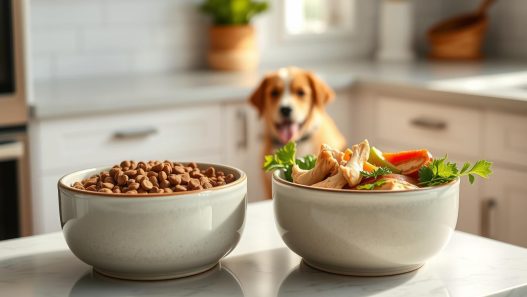
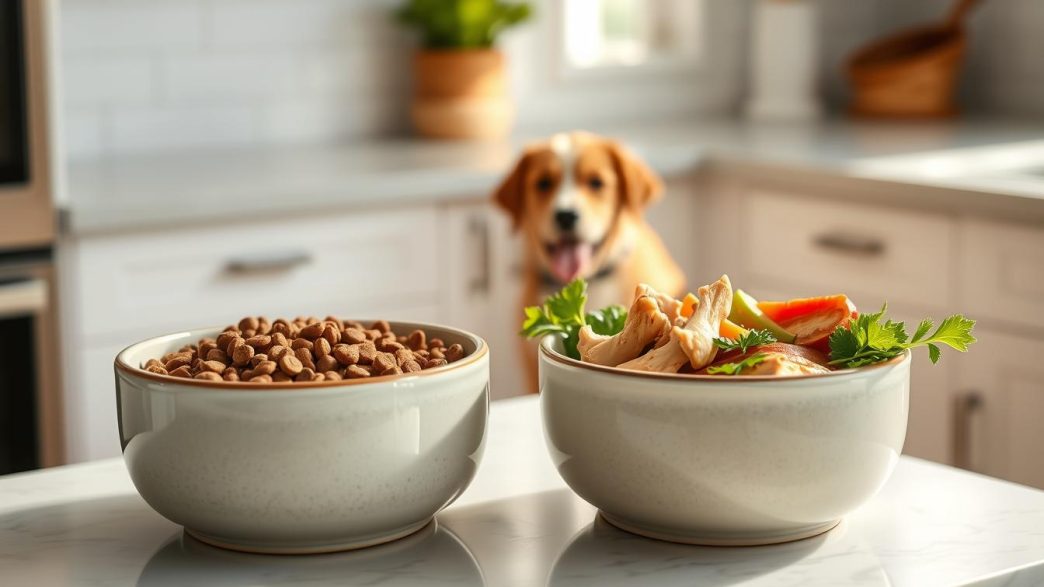
Welcome to this friendly guide designed for pet parents navigating the world of dietary changes for their furry friends. It’s important to understand that these shifts are a natural part of a pet’s life. Whether moving from puppy food to adult options or dealing with unexpected changes, such as a food recall, adjustments are sometimes necessary.
A common misconception is that switching your pup’s food will lead to digestive issues. This myth originates from outdated marketing practices in the pet food industry. In reality, changing food periodically can promote a healthier digestive system. It helps pets become more resilient and less prone to food intolerances.
In this article, we’ll provide you with a comprehensive walkthrough of safe methods for making these changes. You will learn how to choose the right new food and recognize signs of a successful transition. With the right approach and a little patience, your pet can embrace new meals without discomfort.
Key Takeaways
- Dietary changes are a normal part of every pet’s life.
- Switching food can enhance digestive resilience.
- Myths about food changes causing sickness are outdated.
- Choosing the right new food is crucial for a smooth transition.
- Patience is key to helping your pet adapt to new meals.
Reasons for Changing Your Dog’s Food
There are several compelling reasons to consider changing your pet’s food. Understanding these reasons can help you make informed decisions that benefit your pup’s health and happiness.
Urgent Reasons for a Quick Food Switch
Sometimes, a quick switch is necessary. Here are the most common urgent reasons:
- Food Recall: If your dog’s current food has been recalled, it’s crucial to switch immediately to ensure their safety.
- Discontinued Products: A sudden discontinuation of your dog’s food can leave you scrambling for alternatives.
- Refusal to Eat: If your pup refuses to eat their current meal, it may be time to find a new food that they enjoy.
- Veterinarian Recommendations: In cases of food allergies or health issues like gastroenteritis, your veterinarian may recommend an immediate change.
Situations Supporting a Gradual Transition
On the other hand, some situations allow for a more gradual transition:
- Budget-Friendly Options: If you’ve found a new food that better fits your budget, a gradual switch can help maintain nutrition quality.
- Life-Stage Changes: Moving from puppy food to adult food or eventually to senior recipes is a natural progression.
- Type of Food: Switching between dry and wet food or exploring grain-free options can enhance your dog’s diet.
- Veterinary Prescriptions: For chronic conditions, a slow transition is often recommended to allow your pup’s system to adjust.
Remember, whether it’s an urgent switch or a gradual change, the goal is to ensure your dog’s health and well-being. As the veterinarian says,
“A well-planned diet change can enhance your dog’s overall health.”
| Reason for Change | Type of Transition | Action Required |
|---|---|---|
| Food Recall | Quick | Immediate switch to a new food |
| Discontinued Food | Quick | Find an alternative food |
| Refusal to Eat | Quick | Switch to a more appealing food |
| Veterinarian Recommendation | Quick | Follow vet’s advice on new food |
| Budget Change | Gradual | Slowly introduce new food |
| Life-Stage Change | Gradual | Transition to age-appropriate food |
| Type of Food Change | Gradual | Introduce new food types slowly |
| Veterinary Prescription | Gradual | Follow vet’s slow transition plan |
Understanding Dog Feeding Transitions: Dry vs Wet Food
When it comes to choosing the right food for your pup, understanding the differences between dry and wet options is essential. Each type of food has its unique benefits and considerations that can impact your pet’s health and happiness.
Benefits and Considerations of Dry Dog Food
Dry dog food, often referred to as kibble, is a popular choice among pet owners. One of its greatest advantages is convenience. It is easy to store in a cool pantry and has a long shelf life, reducing waste.
Measuring out dry food is simple, making it easy to serve without any mess or refrigeration required. This practicality often makes it a more budget-friendly option, delivering a complete and balanced nutritional profile at a lower cost per serving.
Moreover, the crunchy texture of dry kibble provides a mild abrasive action that helps reduce plaque buildup on teeth. This can support dental health between professional cleanings and daily brushings.
Benefits and Considerations of Wet Dog Food
On the other hand, wet dog food offers its own set of advantages. Its high moisture content is a fantastic way to boost your dog’s hydration levels. This can support healthy digestion, kidney function, and overall vitality.
Many dogs find wet food irresistible due to its rich aroma, tender texture, and robust flavor. This makes it an excellent choice for picky eaters or senior dogs who may have lost some of their sense of smell or have dental sensitivities that make chewing painful.
However, it’s important to handle wet food safely. Opened cans or pouches should be refrigerated promptly, and any uneaten portions should be tossed after a short time to prevent spoilage. To maintain oral hygiene when wet food is a primary part of the diet, consider supplementing with natural dental chews like Wellness® WHIMZEES®.
Ultimately, pet parents should consider their dog’s age, health status, and personal preferences when deciding between dry and wet options. Mixing both types or rotating between them can be a wonderful way to provide variety and balanced nutrition.
| Type of Food | Benefits | Considerations |
|---|---|---|
| Dry Dog Food | Convenient, long shelf life, budget-friendly, supports dental health | May be less appealing to picky eaters |
| Wet Dog Food | High moisture content, palatable, great for hydration | Requires refrigeration, shorter shelf life, may spoil quickly |
How to Transition Your Dog’s Food Safely
Switching your pet’s food can be a straightforward process when approached with care. It’s essential to know the right methods to ensure a smooth transition. There are two primary methods: the gradual transition, ideal for most situations, and the quick transition, which is reserved for urgent cases.
Gradual Transition Method
The classic gradual transition method takes at least seven days. This method helps your pup adjust to the new food without digestive issues. Here’s a breakdown of the transition process:
| Day | Amount of New Food | Amount of Old Food |
|---|---|---|
| 1 | 10% | 90% |
| 2 | 20% | 80% |
| 3 | 30% | 70% |
| 4 | 40% | 60% |
| 5 | 60% | 40% |
| 6 | 80% | 20% |
| 7 | 100% | 0% |
Alternatively, some dogs may do well with a slightly different schedule. This involves using a 25% new food mix on days one and two, 50% on days three and four, 75% on days five and six, and reaching 100% new food on day seven and beyond. This flexibility allows for a smoother adjustment based on your pup’s individual needs.
If your dog has a history of digestive issues or if the new food differs significantly from the old, consider extending the transition period. For example, switching from a dry salmon-based food to a wet chicken-based formula requires more time for adjustment.
Quick Transition Method
The quick transition method should only be used in urgent situations. Start by offering a small amount of the new food, roughly a quarter of a normal meal. Give your pup about 30 minutes to eat. If they don’t, remove the bowl and wait until the next scheduled meal to try again.
As your dog accepts the new food, gradually increase the portion size over the next meals. Aim to build up to a full normal meal size by the end of the second day. Always monitor for any signs of reluctance or digestive distress.
However, caution is necessary. This method is not suitable for puppies or dogs with health problems, as going without food can be dangerous. Healthy adult dogs can skip a few meals, but if your dog refuses to eat for more than two days or shows signs of vomiting or diarrhea, consult your veterinarian for advice.
Choosing the Right New Food Formula
Choosing the right food formula for your pet can feel overwhelming, but it doesn’t have to be. By understanding what your pup already enjoys, you can make a thoughtful decision. Start by examining the ingredient list and guaranteed analysis of their current food. This will help you find a new food that closely matches their preferences.
For instance, if your furry friend loves wet food, opt for another wet formula. If beef is their favorite flavor, stick with beef-based diets. Keeping changes small can lead to a smoother transition. This approach minimizes the risk of digestive upset.
Matching Ingredients, Flavors, and Nutritional Profiles
Dogs have specific digestive enzymes tailored to the ingredients they consume most often. If your pup has only eaten chicken, introducing a different protein like beef can be challenging. A sudden switch to a high-protein diet can overwhelm their system, causing discomfort.
To ease this process, consider starting a course of probiotics about three days before introducing the new food. This can help prepare their digestive system for the change. Look for a formula that aligns closely with what they already eat.
Incorporating Rotational Diets for Variety and Health
Rotational feeding is a fantastic way to enhance your pet’s diet. This practice involves regularly switching between several high-quality, nutritionally complete foods. It helps limit the chances of nutrient deficiencies and prevents picky eating habits.
For example, some pet parents alternate between different bags of kibble weekly. Others may switch from kibble to wet food or even home-cooked meals. Rotating protein and carbohydrate sources, like beef and barley one month and chicken and rice the next, keeps meals exciting.
Brands like Kahoots offer formulas designed for easy interchangeability. Their grain-free beef and salmon options can be fed without a full transition period. This makes rotational feeding convenient for busy pet owners.
In addition to nutrition, rotational diets can break mealtime boredom. They also ensure that if your go-to food is out of stock, you have alternatives ready. This flexibility supports your pup’s health and keeps their meals enjoyable.
| Consideration | Recommendation |
|---|---|
| Protein Source | Match the existing protein for smoother transitions |
| Food Type | Stick with wet or dry based on preference |
| Probiotics | Start three days before introducing new food |
| Rotational Diets | Switch between high-quality foods regularly |
| Brand Consistency | Choose formulas from the same manufacturer when possible |
Monitoring Your Dog’s Health During the Transition
Monitoring your pet’s well-being during dietary changes is essential for a smooth transition. As you switch your dog’s food, being attentive can help you catch any potential issues early. This vigilance is crucial for ensuring your pup remains healthy and happy throughout the process.
Recognizing Signs of Food Intolerance or Digestive Upset
During a food switch, watch for signs that indicate your dog may be struggling with the new diet. Common signs include:
- Food Refusal: If your pup turns their nose up at the new food, it might be a sign they need more time to adjust. Healthy adult dogs can safely skip a few meals, but this approach should not be used with puppies or dogs with underlying health issues.
- Mild Diarrhea: A common hiccup during transitions, mild diarrhea can often be managed by reverting to the old food for a few days. Once stools firm up, you can try reintroducing the new food at a slower pace.
- Gassiness: A bit of extra gas is usually temporary and should settle down as your pup’s system adapts. Products like Vet’s Best Gas Busters can help ease this discomfort.
Managing Symptoms and When to Consult Your Veterinarian
If your dog experiences severe diarrhea, vomits digested food, or has liquid diarrhea, it’s time to consult your veterinarian. Additionally, if symptoms persist beyond a couple of days or if your dog shows signs of pain or lethargy, seek professional advice. Here are some steps to follow:
- If vomiting occurs, stop all new food immediately and give your dog’s stomach a rest for a few days.
- After a break, attempt the transition again with a much smaller amount of the new food.
- Always consult your veterinarian if you’re uncertain about your pup’s well-being or if you notice any concerning symptoms.
Being proactive and observant during this period can help you manage any issues that arise. Remember, your veterinarian can provide tailored advice and treatments, ensuring your dog’s diet change is as smooth as possible.
| Symptom | Action | When to Consult Vet |
|---|---|---|
| Food Refusal | Let them get hungry; avoid with puppies | If refusal lasts more than 24 hours |
| Mild Diarrhea | Return to old food for a few days | If it persists beyond two days |
| Gassiness | Monitor; consider gas relief products | If it becomes excessive or painful |
| Vomiting | Stop new food; rest for a few days | If it continues or is severe |
Conclusion
Changing your pet’s diet can be an opportunity for growth and improvement when approached thoughtfully. With the right information, you can navigate the switch to new food with confidence. Remember to research the new formula, transition gradually, and monitor your pet for any signs of digestive upset.
Dogs are resilient and will not intentionally starve themselves. Even a picky eater will often adapt and enjoy their new meal once they realize it’s here to stay. Embrace these occasional changes as a way to enhance your pet’s health and keep mealtime exciting.
If you encounter challenges during the switch, don’t hesitate to reach out to your veterinarian. They can provide personalized advice and help address any concerns. Ultimately, every successful transition strengthens the bond between you and your pet, ensuring a happy, nutritious life together.