
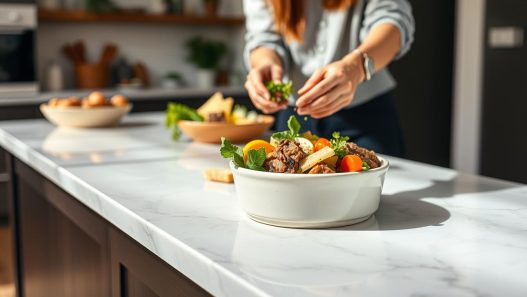
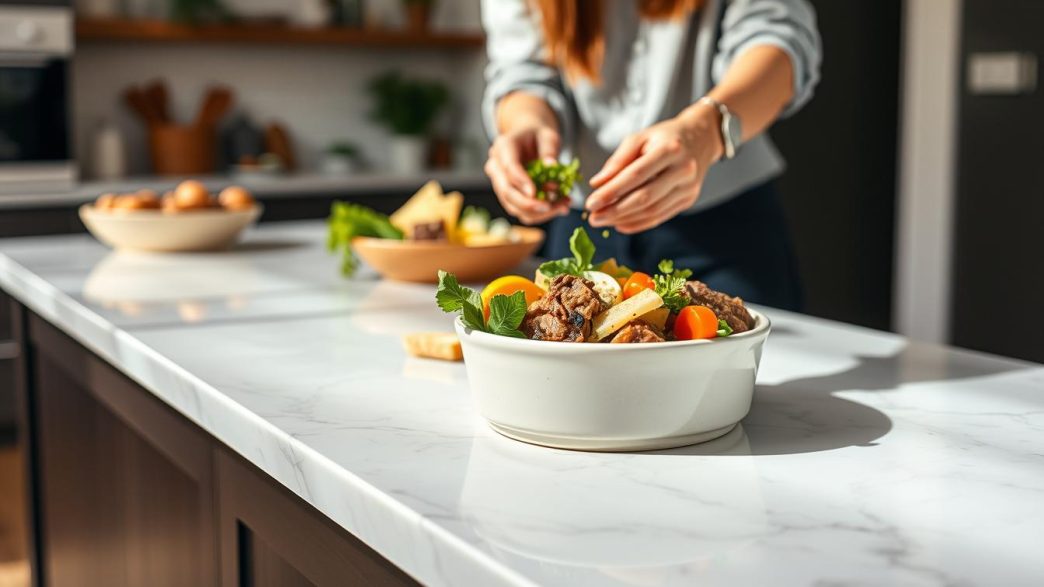
Welcome to the exciting world of creating nourishing meals for your furry friends! As pet parents, we want the best for our beloved companions, and moving towards whole-food options is a fantastic way to ensure their health and happiness.
More and more dog owners are embracing the idea of crafting meals at home. This trend allows you to take control of what goes into your dog’s bowl, ensuring every ingredient is safe and nutritious. Think of it as building better bowls, a process anyone can master with a little guidance.
This article serves as a complete resource, guiding you through everything from understanding how to prepare wholesome recipes to selecting the right ingredients and storing them safely. Inspired by real pet parents like Dani Spies, who started making meals for her dog Charlie, you’ll find simple and recognizable ingredients that can elevate your dog’s diet.
As the American Kennel Club and AAFCO highlight, dogs thrive on the same core nutrients humans need, just in portions tailored for them. So, let’s embark on this journey together, learning a practical approach to creating balanced meals that prioritize your pet’s health without overwhelming complexity.
Remember, you don’t have to dive in all at once. Starting with small steps, like DIY treats or mix-ins, is a great way to test the waters. Every dog is unique, so always consult with your veterinarian before making significant dietary changes.
Get ready to explore actionable tips, a complete recipe, and the confidence to create better bowls for happier, healthier dogs!
Key Takeaways
- Discover the joy of preparing nourishing meals for your pets at home.
- Learn about the trend of whole-food options for better pet nutrition.
- Understand the step-by-step process of building better bowls.
- Get inspired by real pet parents who prioritize quality ingredients.
- Recognize the importance of consulting with a vet before dietary changes.
Understanding Homemade Dog Meal Assembly
It’s time to explore the thoughtful process behind preparing nutritious food for your pet. This concept goes beyond simply tossing scraps into a bowl. Instead, it focuses on intentionally combining various ingredients to create balanced meals.
Homemade meal assembly involves the careful selection of cooked protein sources, digestible carbohydrates, vegetables, and healthy fats. Each component plays a vital role in ensuring your dog receives a complete diet. This method is different from casually sharing table scraps or mixing random ingredients without a plan.
Here are some key aspects to consider:
- Intentional Preparation: This practice emphasizes creating complete meals using whole-food ingredients instead of relying solely on commercial kibble or canned options.
- Understanding Nutritional Needs: It’s essential to follow tested recipes that meet the specific dietary requirements of dogs.
- Proper Ratios: Combining a quality protein source, digestible carbohydrates, safe vegetables, and healthy fats in precise proportions supports long-term health.
- Avoiding Recipe Drift: As Dr. Ruth Ann Lobos warns, substituting one ingredient for another can alter the nutrient profile significantly.
- Minor Changes Matter: Dr. Steph Sheen explains that even small adjustments, like changing cooking oil or vegetables, can lead to nutritional imbalances over time.
- Choosing Vetted Recipes: Many online recipes may not meet the minimum nutritional standards set by veterinary professionals, so it’s crucial to select reliable sources.
- A Learning Process: Don’t worry about perfection right away; it’s a journey that evolves as you gain confidence and work with your veterinarian.
Understanding these principles lays the groundwork for everything that follows. Structure and consistency are key when preparing food at home for your dogs. Once you grasp the basics of meal assembly, it becomes a rewarding and natural process for both you and your pet.
Benefits of Feeding Whole Foods to Dogs
Unlock the secrets to a healthier, happier dog through whole-food nutrition. Feeding your pet high-quality, minimally processed ingredients offers both visible and invisible benefits. Many dog owners report remarkable improvements after transitioning to whole-food diets.
For instance, pets often display shinier coats, healthier skin, and brighter eyes. They also enjoy more consistent energy levels, making playtime even more enjoyable. Whole-food feeding allows owners to control every ingredient that goes into their dog’s bowl. This transparency eliminates concerns about mysterious additives and low-quality fillers.
Additionally, dogs with food sensitivities or allergies frequently find relief when switched to simple, whole-food options. Identifying and avoiding problematic ingredients becomes much easier. During colder months, serving warm, freshly prepared meals can be especially comforting. This approach may also support your dog’s immune system when environmental stressors are higher.
Many pet parents notice improved digestion, fewer episodes of vomiting or loose stools, and reduced gas. Tailoring diets to individual needs can lead to these positive outcomes. Moreover, the act of preparing meals strengthens the bond between you and your pet. Mealtime becomes an expression of care and love.
While whole-food feeding requires more time and planning than scooping kibble, the rewards are significant. The benefits, both seen and unseen, make it a deeply fulfilling choice for countless dog owners across the United States. Signs like a dull coat, low energy, unexplained weight changes, or persistent itching can sometimes be traced back to diet. Switching to whole foods may help address these issues when guided by a veterinarian.
Ultimately, feeding whole foods is an investment in your dog’s long-term health and longevity. This choice pays dividends in more wagging tails, brighter eyes, and healthier years together.
| Benefit | Description |
|---|---|
| Shinier Coat | Improved coat shine due to high-quality ingredients. |
| Better Digestion | Fewer digestive issues like vomiting or loose stools. |
| Increased Energy | More consistent energy levels for play and activity. |
| Stronger Bond | Preparing meals enhances the relationship between pet and owner. |
| Healthier Skin | Reduction in skin irritations and allergies. |
Essential Nutrients Your Dog Needs
Understanding what goes into your pet’s food is essential for their overall well-being. Just like humans, dogs require a complete spectrum of nutrients to thrive. It’s not enough to simply feed them meat and rice and call it a day.
To maintain optimal health, balanced nutrition must include the right amounts of protein, fat, carbohydrates, vitamins, and minerals. These elements support immune function, energy levels, and organ health. Here’s a closer look at the six essential nutrient categories your furry friend needs:
- High-Quality Protein: This provides the building blocks, or amino acids, that dogs cannot produce on their own. Quality and digestibility of protein sources are crucial in any pet diet.
- Healthy Fats: Essential fatty acids, like omega-3s and omega-6s, support skin health and give coats a glossy shine.
- Complex Carbohydrates: These offer sustained energy, which is vital for active dogs.
- Vitamins: Vitamins A, D, E, and B-complex play vital roles in everything from vision to immune function. Deficiencies can lead to dull coats and low energy.
- Minerals: Trace minerals like zinc, iron, and magnesium are essential for bone and organ function. A lack of variety can lead to deficiencies.
- Water: This is crucial for overall hydration and health.
Calcium and phosphorus must be carefully balanced. An improper ratio can lead to serious skeletal problems, especially in growing puppies and aging senior dogs. Furthermore, nutritional deficiencies from unbalanced diets can develop silently over time, leading to chronic issues like brittle bones or heart problems.
Think of nutrients as a symphony rather than solo instruments. Every vitamin, mineral, and macronutrient must work together in harmony for your dog’s body to function optimally. Understanding these essential nutrients lays the groundwork for making informed choices in the kitchen, setting the stage for the ingredient selection covered in the next section.
Choosing the Right Ingredients for Balanced Meals
Choosing the right ingredients for your pet’s meals can be simple and rewarding. It’s all about focusing on whole, recognizable foods that are safe and beneficial for dogs. With a little knowledge, you can confidently shop for ingredients that will nourish your furry friend.
Quality Protein Sources
Lean meats are the foundation of a balanced dog food recipe. They provide essential amino acids that dogs need to build and repair tissue. Some great options include:
- Ground Turkey: This is a favorite among many pet owners, including Dani Spies, whose dog Charlie loves it. Ground turkey is lean, affordable, and widely available.
- Chicken: Another versatile choice, chicken is easily digestible and provides a great source of protein.
- Lean Beef and Bison: These meats offer rich flavors and iron, supporting overall health.
- Fish: Salmon and other fish are excellent for skin and coat health due to their omega-3 fatty acids.
Remember, variety matters! Rotating protein sources helps prevent food sensitivities and ensures a broader range of nutrients in your dog’s diet.
Nutritious Vegetables and Carbohydrates
Vegetables are a fantastic addition to your pet’s meals. Dog-safe options include:
- Zucchini: Shredded zucchini is a great source of fiber.
- Spinach: Finely chopped spinach is packed with vitamins.
- Carrots: These crunchy treats are not only tasty but also nutritious.
- Green Beans and Peas: Both are excellent sources of fiber and antioxidants.
When it comes to carbohydrates, brown rice is a fantastic choice. It’s rich in fiber and nutrients, making meals more filling. White rice is gentler on sensitive stomachs, so keep it handy for those occasions.
Always be cautious about which foods are toxic to dogs. Never include onions, garlic, grapes, raisins, chocolate, or certain artificial sweeteners in your recipes.
Healthy Fats and Oils
Healthy fats are essential for your dog’s overall health. Coconut oil is a wonderful addition, supporting skin health and digestion with its light flavor. A simple egg cracked into warm food can add highly digestible protein and vitamins D and B12.
Consider adding turmeric as well. Just a pinch can provide curcumin, which has natural anti-inflammatory properties. This is especially beneficial for older or active dogs.
Finally, don’t forget about calcium! Muscle meat alone doesn’t provide enough calcium, so include crushed eggshells, canine calcium powders, or vet-formulated supplements to protect your dog’s bone health.
Step-by-Step Guide to Homemade Dog Meal Assembly
Get ready to dive into the fun and rewarding experience of crafting nutritious meals for your furry companion! In just 30 minutes, you can create a balanced dish that your dog will absolutely love. Let’s gather the ingredients and get started!
Here’s what you’ll need:
- 1 tablespoon coconut oil
- 1 pound ground turkey
- 1 large zucchini, shredded
- 1 cup baby spinach, finely chopped
- 1 cup shredded carrots
- 1/2 teaspoon turmeric
- 1 egg
- 3 cups cooked rice (brown rice recommended for its extra fiber and nutrients)
Now, let’s go through the steps:
- Heat a large skillet over medium-high heat. Add the coconut oil and ground turkey. Sauté until the meat is fully browned and cooked through, which should take about 10 minutes. The aroma will fill your kitchen, making your dog eager for mealtime!
- Reduce the heat to medium. Stir in the shredded zucchini, finely chopped spinach, shredded carrots, and turmeric. Cook everything together for 5 to 7 minutes until the vegetables are tender and their colors brighten beautifully.
- Turn off the heat completely. Crack the egg directly into the hot food and mix it around thoroughly. The residual heat will gently cook the egg, distributing its protein and nutrients evenly throughout the mixture.
- Stir in the 3 cups of cooked rice until everything is well combined into a cohesive, colorful, aromatic meal. It looks good enough to eat yourself, though it’s formulated specifically for your dog’s nutritional needs!
This recipe yields approximately 6 cups of nourishing food, which will last a 45-pound dog about three days. Each 1-cup serving contains:
- Calories: 240
- Protein: 22g
- Carbohydrates: 26g
- Fat: 5g
- Fiber: 3g
- Vitamin A: 4157IU
Before serving, let the food cool completely. Always test the temperature with your wrist to ensure it’s warm but never hot. This recipe is a wonderful starting point and can be doubled or tripled for batch cooking. However, any substitutions should be discussed with a veterinarian to avoid unintentional nutritional imbalances.
Congratulations on preparing your first batch of homemade dog food! Enjoy watching your dog’s happy reaction at mealtime!
Portion Control and Serving Sizes
Navigating portion control is one of the most common concerns for pet owners. Understanding how much to serve your pet can be a challenge. The right amount of food is crucial for maintaining your dog’s health and energy levels.
The ideal serving size depends on several factors, including your dog’s weight, age, breed, and activity level. For instance, a 45-pound dog like Charlie, who enjoys the homemade recipe from Dani Spies, thrives on about 2 cups of food per day. This amount is typically divided into two meals, meaning a batch of six cups lasts around three days.
As a starting point, consider using the 1-cup serving as a baseline. Each cup provides approximately 240 calories and 22g of protein. Adjust this amount based on your dog’s individual response over time. Monitoring your dog’s body condition is vital. You should be able to feel their ribs without pressing hard, and there should be a visible waist when viewed from above.
Overfeeding can lead to obesity, while underfeeding may result in malnutrition. Both scenarios can have serious health implications. Keep a simple log for the first few weeks of feeding homemade meals. Note how much food is offered, how much is eaten, and any changes in your dog’s weight or energy levels.
Additionally, be aware that a dog’s portion needs may change seasonally. During colder months, when outdoor activity decreases, some dogs may require slightly less food to avoid winter weight gain.
It’s always a good idea to consult your veterinarian for personalized portion recommendations. This is especially important for puppies, seniors, or dogs with medical conditions that require precise nutritional management.
| Factor | Impact on Portion Size |
|---|---|
| Weight | Heavier dogs require more food, while lighter dogs need less. |
| Age | Puppies may need more food for growth, while seniors often require less. |
| Activity Level | Active dogs need more calories than those with a sedentary lifestyle. |
| Health Conditions | Specific health issues may necessitate special dietary adjustments. |
Storage and Shelf Life of Homemade Dog Meals
Storing your pet’s food properly is crucial for maintaining its quality and safety. Even the most balanced homemade dog food can lose nutritional value or become unsafe if not stored correctly after cooking. Following proper storage guidelines ensures that your furry friend enjoys fresh and nutritious meals every time.
Dr. Steph Sheen, DVM, explains that oxidation is a chemical reaction that occurs when food is exposed to oxygen. This process causes spoilage and degrades nutrients over time. To combat this, make sure to store your food in an airtight container, away from direct sunlight. This limits exposure to air and UV light, slowing the oxidation process.
Refrigerator Guidelines
After cooling the freshly prepared food completely, transfer it to an airtight container. Store it in the fridge, where it will stay fresh and safe for up to 5 days, according to Dani Spies’ tested approach. Remember, once defrosted, homemade dog food should be treated like any fresh food — consumed within three to four days and never refrozen after thawing.
Freezer Storage Instructions
For batch-cooking enthusiasts, homemade dog food can be portioned into freezer-safe containers or vacuum-sealed packages. This food can be frozen for up to 6 months while maintaining good nutritional quality. Although it can technically be frozen for up to a year, Dr. Sheen advises that it begins to lose some nutritional value after about six months. Rotating through frozen batches within that window is ideal.
Thawing Method
Always move frozen portions to the refrigerator to thaw overnight. Avoid leaving them on the counter, as this prevents bacterial growth and keeps the food safe for your dog to eat. Additionally, any uneaten food left in the bowl at room temperature should be discarded after eight hours.
Food Safety Rules
Refrigerated portions should be returned to the fridge sooner than eight hours to prevent spoilage. Avoid storing homemade dog food in garages, sheds, or other areas subject to extreme temperatures. Heat and cold can compromise both the safety and palatability of the carefully prepared meals.
Finally, follow FDA guidelines for pet food storage: use containers that are airtight, clean, and dry. Keep food at a consistent room temperature away from direct sunlight to maximize freshness. Consider labeling your stored containers with the date the food was prepared. This simple system ensures older batches are used first, preventing spoilage in the back of the fridge or freezer.
Common Mistakes to Avoid in Homemade Dog Food Preparation
Mistakes are a natural part of learning, especially when it comes to preparing meals for your pet. As you venture into the world of crafting dog food, it’s important to be aware of common pitfalls. This section aims to help you sidestep these issues with friendly advice.
The number one mistake veterinarians see is known as “recipe drift.” This occurs when well-meaning owners substitute one ingredient for another, like swapping chicken for beef or using olive oil instead of coconut oil. Such changes can alter the entire nutritional balance of your carefully formulated recipe.
Another common issue is the temptation to wing it without following a tested, veterinarian-approved recipe. Dogs have specific nutritional requirements, and casual combinations of healthy ingredients simply cannot meet their needs.
Skipping necessary supplements is also a critical mistake. Muscle meat, vegetables, and rice alone do not provide complete nutrition. Dogs need added calcium sources, such as crushed eggshells or canine calcium powder, along with a dog-specific multivitamin to fill micronutrient gaps.
Relying on a single protein source can lead to nutritional gaps and increase the risk of developing food sensitivities over time. Variety is key to a well-rounded diet.
Additionally, there are certain toxic foods that must never find their way into a dog’s bowl. These include:
- Onions
- Garlic
- Grapes
- Raisins
- Chocolate
- Macadamia nuts
- Xylitol (an artificial sweetener)
Seasonings, salt, and spices meant for human palates are unnecessary and potentially harmful for dogs. The natural flavors of meat, vegetables, and healthy fats are plenty appealing to canine taste buds.
Food safety is paramount. Always cook meat thoroughly to eliminate harmful bacteria. Wash hands and surfaces after handling raw ingredients, and never allow cross-contamination between raw meat and cooked food.
It’s crucial to be cautious about recipes found online. Many popular homemade dog food recipes fail to meet minimum nutritional standards when analyzed by veterinary nutritionists. Simply adding a generic human multivitamin to homemade food is not sufficient and can even be dangerous, as dogs require different ratios and forms of vitamins and minerals than humans do.
View mistakes as learning opportunities. Maintain an open dialogue with your veterinarian, who can help catch and correct any issues before they affect your dog’s long-term health.
| Mistake | Consequence |
|---|---|
| Recipe Drift | Alters nutritional balance, leading to deficiencies. |
| Skipping Supplements | Can cause calcium and vitamin deficiencies. |
| Single Protein Source | Increases risk of food sensitivities and nutritional gaps. |
| Unsafe Ingredients | Can lead to serious health issues or toxicity. |
| Improper Food Safety | Increases risk of foodborne illness for pets. |
The Importance of Consulting Your Veterinarian
In the journey of providing optimal nutrition for your pet, the role of a veterinarian is indispensable. Consulting a veterinarian is not a barrier to feeding nutritious meals; it is the most important step any responsible pet owner can take. This ensures that your dog’s diet is safe, balanced, and beneficial for the long term.
Veterinarians possess specialized knowledge of canine nutritional science that goes beyond what any blog or recipe can offer. Their expertise helps owners avoid hidden pitfalls that can lead to serious health issues down the road. Dr. Steph Sheen emphasizes that the gold standard for a nutritious diet is using a recipe formulated by a board-certified veterinary nutritionist. These specialists understand how nutrients interact in a dog’s body.
A typical veterinary consultation for nutrition involves a thorough health assessment. The veterinarian will discuss your dog’s age, breed, weight, activity level, and any existing medical conditions. Based on this information, they can recommend personalized recipes or referrals to specialists if needed.
Regular wellness exams allow veterinarians to monitor your dog’s health markers over time. This proactive approach helps catch any nutritional imbalances before they become clinical problems. For dogs with special circumstances—such as allergies, chronic illnesses, or weight management needs—veterinary guidance becomes even more critical.
It’s essential to be completely honest with your veterinarian about what you’re feeding your pet. This includes any supplements, treats, or occasional table scraps. Full transparency allows the vet to assess your dog’s overall nutritional intake accurately.
If your dog shows concerning signs after starting a new diet—like vomiting, diarrhea, lethargy, or changes in appetite—contact your veterinarian promptly. Early intervention can prevent more serious health issues.
Think of your veterinarian as a partner in your homemade feeding journey. They want your dog to thrive just as much as you do. Many veterinary clinics, such as Urbana Veterinary Clinic in Ohio, offer nutritional consultations designed to support pet owners who wish to feed balanced diets safely.
Ultimately, the goal of this partnership is not to discourage homemade feeding but to empower you with the knowledge and support needed to build better bowls. This ensures your dog enjoys a lifetime of health and happiness.
Conclusion
As you embark on the journey of nourishing your pet, every step taken reflects your love and commitment. The insights shared throughout this guide empower you to build better bowls using whole foods. Remember, this rewarding process combines quality ingredients, balanced nutrition, and safe preparation.
You don’t need to be perfect from day one. Starting with simple recipes, like the ground turkey and brown rice dish, is a wonderful way to begin. Stay curious and keep learning! Experiment with new ingredients and treats that can complement your dog’s diet.
Every meal you prepare strengthens the bond between you and your pet. Each bowl filled with care is a testament to your dedication. Share your experiences and successes with others, creating a community focused on helping dogs thrive.
Ultimately, every time you serve a bowl of nutritious food made with love, you’re giving your dog the gift of health and joy. We invite you to return for more recipes and tips as you continue your journey of building better bowls for the dogs you cherish.